
Planning a Jawai monsoon travel ? Discover what Jawai is like during the rainy season, wildlife experiences, landscapes, travel tips and things to do.
Jawai Monsoon Travel Guide: Experience Rajasthan in the Rainy Season
Jawai looks completely different when the monsoon arrives.
The rocky landscape that is usually associated with dry Rajasthan can take on a greener appearance, while clouds gather around the granite hills and rain brings fresh life to the countryside.
For travelers looking for a quieter side of Rajasthan, Jawai monsoon travel can offer a refreshing experience.
Jawai is known for its granite hills, reservoir, wildlife and rural landscape. Rajasthan Tourism also highlights Jawai Dam for its wildlife and birdwatching, including migratory birds during the winter season.
But monsoon brings its own atmosphere.
Instead of planning your trip only around wildlife sightings, you can enjoy the landscape, photography, birdwatching, local culture and peaceful surroundings.
What Is Jawai Like During Monsoon?
During the rainy season, the landscape can change dramatically.
Rain brings moisture to the soil and vegetation, while clouds can create dramatic views around the granite formations.
The contrast between dark clouds, green vegetation and exposed rocks can be particularly attractive for photographers.
Water levels and local conditions around Jawai Dam can also change during the season.
The experience is less about ticking off attractions and more about enjoying the changing landscape.
Is Jawai Worth Visiting During Monsoon?
Yes, if you enjoy nature and don’t mind flexible plans.
Monsoon can be a good choice for travelers who want:
- Green landscapes
- Dramatic skies
- Fewer crowds
- Nature photography
- Peaceful surroundings
- Birdwatching
- Rural experiences
However, weather conditions can affect outdoor activities.
Always confirm current safari and road conditions with your local operator before travelling.
Jawai Wildlife During Monsoon
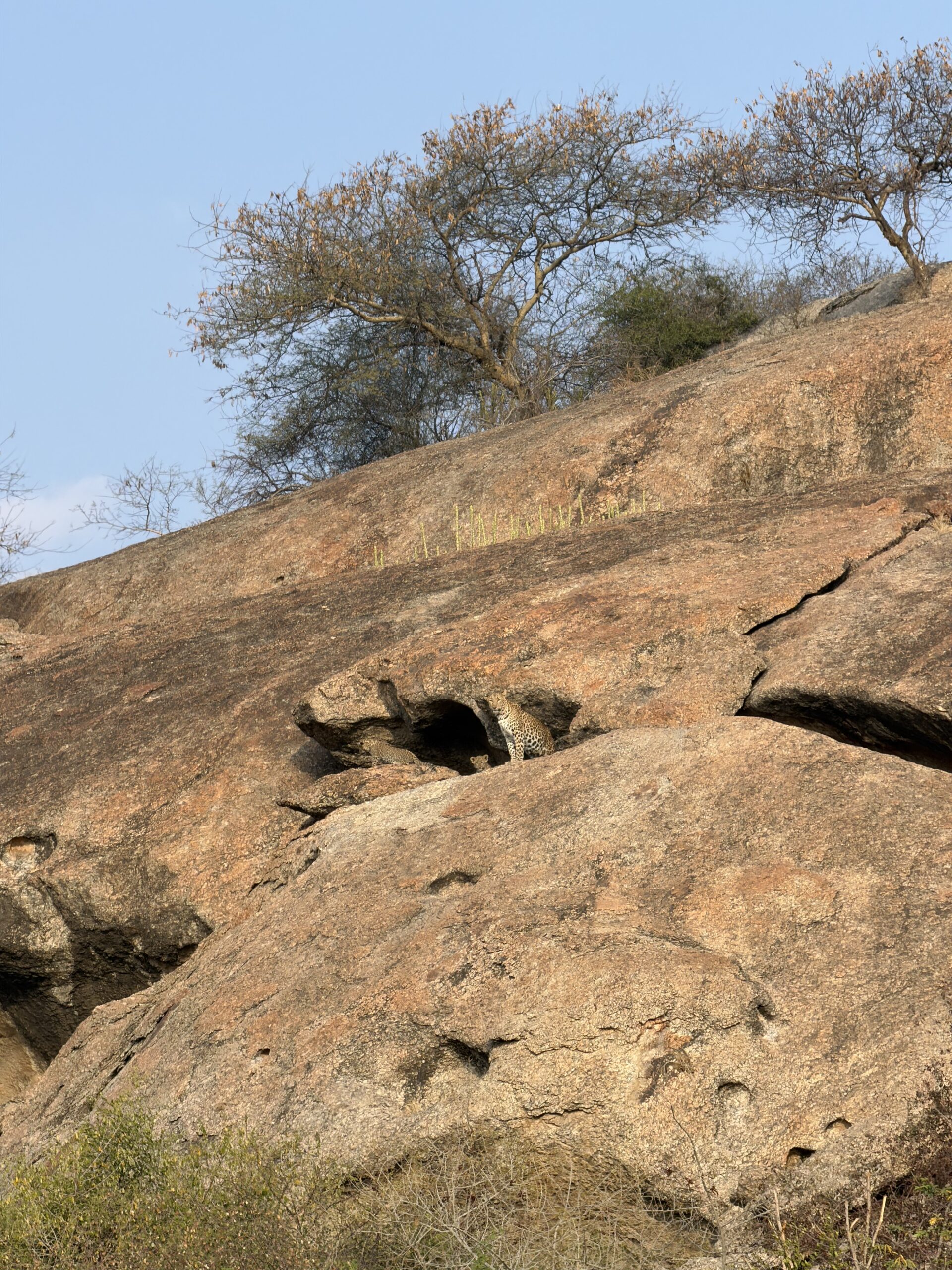
Jawai is famous for its free-ranging leopards living among the granite hills and surrounding countryside.
Wildlife sightings are never guaranteed, regardless of season.
During monsoon, vegetation and weather conditions can change visibility and animal movement.
That makes responsible guiding particularly important.
Rather than expecting a particular animal to appear at a particular location, enjoy the wider wildlife experience and allow your guide to make decisions based on current conditions.
Jawai Leopard Safari in Monsoon
If you are planning a leopard safari during monsoon, ask your safari operator about the current operating conditions before booking.
Weather can affect:
- Safari routes
- Road conditions
- Visibility
- Vehicle access
- Starting times
- Outdoor activities
Some safari operators currently advertise seasonal flexibility, but exact timings and access can vary with weather and local permissions.
For this reason, don’t rely on an old online timetable.
Confirm your safari details close to your travel date.
The Beauty of Jawai Hills During Rain
The granite hills are one of the defining features of Jawai.
During dry weather, the exposed rocks create a rugged appearance.
After rainfall, the same landscape can look softer and greener.
Clouds moving around the hills can create constantly changing scenery.
For photographers, this can provide opportunities that are very different from the typical dry-season photographs of Jawai.
Monsoon Photography in Jawai
If you’re interested in photography, carry protection for your equipment.
Useful items include:
- Waterproof camera cover
- Dry bag
- Lens cloth
- Extra batteries
- Microfiber cloth
- Rain jacket
- Comfortable waterproof footwear
Don’t risk climbing wet rocks just to get a better photograph.
Jawai’s granite surfaces can become slippery during rain.
For more photography ideas, you can read our Jawai Photography Guide.
Birdwatching During Monsoon
Jawai is also known for birdwatching.
Jawai Dam and the surrounding landscape provide different habitats for birds, while the wider region changes considerably with the seasons. Rajasthan Tourism specifically describes Jawai Dam as a destination associated with birdwatching and migratory birds.
Monsoon is an interesting time to observe how the landscape changes.
If you’re a serious birdwatcher, don’t limit yourself to the reservoir.
Explore different habitats where conditions permit.
You can also read our Jawai Dam Birdwatching Guide.
Things to Do in Jawai During Monsoon
A monsoon trip doesn’t need to revolve around one activity.
1. Explore the Granite Landscape
Take time to appreciate the hills and countryside.
2. Enjoy Wildlife Experiences
Check current safari availability and weather conditions before planning.
3. Go Birdwatching
Spend time around suitable water and wetland areas.
4. Photograph the Landscape
Clouds, rain and changing greenery can create dramatic compositions.
5. Experience Local Culture
Jawai’s villages and traditional communities are an important part of the destination.
6. Relax at Your Stay
Monsoon can be a good time to slow down rather than constantly move between attractions.
Jawai Dam During Monsoon
Jawai Dam is one of the region’s most recognizable landmarks.
The dam was constructed across a tributary of the Luni River and is an important water source for the surrounding region. Rajasthan Tourism also identifies it as a significant attraction for wildlife and birdwatching.
During monsoon, the surrounding landscape can look very different from the dry season.
If you visit, follow local safety advice and don’t enter restricted areas.
What Should You Pack for Jawai in Monsoon?
Pack light but prepare for changing weather.
Clothing
Choose quick-drying clothing and carry a light rain jacket.
Footwear
Comfortable footwear with good grip is important.
Electronics
Use waterproof bags for phones, cameras and chargers.
Sun Protection
Cloudy weather doesn’t eliminate the need for sun protection.
Insect Protection
Depending on local conditions, insect repellent can be useful.
Power Bank
Useful during long outdoor days.
How Many Days Are Enough?
For a relaxed monsoon visit, two nights and three days can work well.
This gives you time for:
Day 1: Arrival and landscape exploration
Day 2: Wildlife or nature experience, followed by relaxation and photography
Day 3: Birdwatching, local exploration and departure
If weather interrupts one activity, having an extra day gives you more flexibility.
Where to Stay During Monsoon
When choosing accommodation during the rainy season, don’t look only at photographs.
Ask about:
- Road access
- Parking
- Power backup
- Dining arrangements
- Rain protection
- Room facilities
- Safari arrangements
- Cancellation policies
Jawai Horizon Camp can be considered by travelers looking for a nature-oriented stay.
Before booking, confirm current facilities, accessibility, accommodation type and weather-related arrangements directly with the property.
For more options, see our Hotels in Jawai guide.
Is Jawai Monsoon Suitable for Families?
It can be, but families should plan with flexibility.
Children may enjoy the green landscape and changing weather, but outdoor activities can be affected by rain.
Choose accommodation with comfortable indoor spaces and confirm the suitability of planned activities for children.
Avoid forcing outdoor activities during unsafe weather.
Is Jawai Monsoon Good for Couples?
For couples who enjoy quiet nature experiences, monsoon can be particularly atmospheric.
The combination of dramatic skies, granite hills and peaceful surroundings can create a very different experience from a busy Rajasthan city.
Instead of planning every hour, leave some time simply to enjoy the surroundings.
Responsible Travel During Monsoon
Rain can make the landscape more sensitive.
Avoid:
- Driving unnecessarily off established routes
- Disturbing wildlife
- Entering unsafe water
- Climbing slippery rocks
- Leaving plastic behind
- Approaching animals
- Blocking wildlife movement
Choose local operators who prioritize responsible wildlife practices.
Final Thoughts
Jawai monsoon travel offers a different way to experience Rajasthan.
The region’s famous granite hills become surrounded by changing vegetation and dramatic skies, while Jawai Dam and the wider countryside provide opportunities for nature and birdwatching.
Wildlife remains an important part of the destination, but a monsoon trip is about more than leopard sightings.
It’s about slowing down, watching the landscape change and experiencing Jawai beyond the usual dry-season image of Rajasthan.
If you’re planning a trip during the rainy season, keep your itinerary flexible, confirm current road and safari conditions and allow the weather to become part of the experience.
Sometimes the unexpected rainy morning, misty hill or dramatic sunset becomes the best memory of the entire trip.
Frequently Asked Questions
Is Jawai open during monsoon?
Jawai remains a travel destination during the rainy season, but specific wildlife activities and routes can depend on weather, access and local conditions. Confirm arrangements before travelling.
Is monsoon a good time to visit Jawai?
Yes, especially for travelers interested in landscapes, photography, peaceful surroundings and experiencing Jawai when the countryside changes after rainfall.
Can I do a leopard safari in Jawai during monsoon?
Safari availability and routes can depend on weather and local operating conditions. Always confirm the current situation with your safari operator.
What should I pack for a Jawai monsoon trip?
Carry rain protection, quick-drying clothes, footwear with good grip, waterproof bags for electronics, insect protection and sun protection.
Is Jawai good for photography during monsoon?
Yes. Clouds, rain, changing greenery and granite hills can create dramatic photography opportunities.
Can I visit Jawai Dam during monsoon?
Jawai Dam is a major attraction, but visitors should follow current local safety instructions and avoid restricted or unsafe areas.
How many days should I spend in Jawai during monsoon?
Two nights and three days is a practical starting point, although an additional night provides more flexibility if weather affects outdoor activities.
Explore More Jawai Guides
External authority: Rajasthan Tourism – Pali & Jawai