
Discover Jawai photography tips, scenic locations, wildlife photography ideas, the best light, camera gear and responsible ways to capture Jawai’s unique landscape.
Jawai Photography Guide: Capturing Rajasthan’s Wild Landscape
Jawai is the kind of destination that makes photographers want to slow down.
The landscape is dramatically different from the image many travelers have of Rajasthan. Instead of endless desert, Jawai offers enormous granite hills, open countryside, water bodies, rural villages and wildlife living within the same landscape.
This combination makes Jawai photography interesting for both professional photographers and travelers using a smartphone.
You don’t need expensive equipment to capture the character of Jawai. What matters most is choosing the right time, understanding the landscape and being patient.
From sunrise over granite hills to birds around the water and traditional rural life, there are plenty of subjects to photograph.
What Makes Jawai Photography Special?
The biggest attraction for photographers is the relationship between the landscape and wildlife.
Granite formations rise dramatically from the countryside, while villages, livestock, birds and wild animals form part of the wider environment.
This creates photographs that tell a story rather than simply showing an animal.
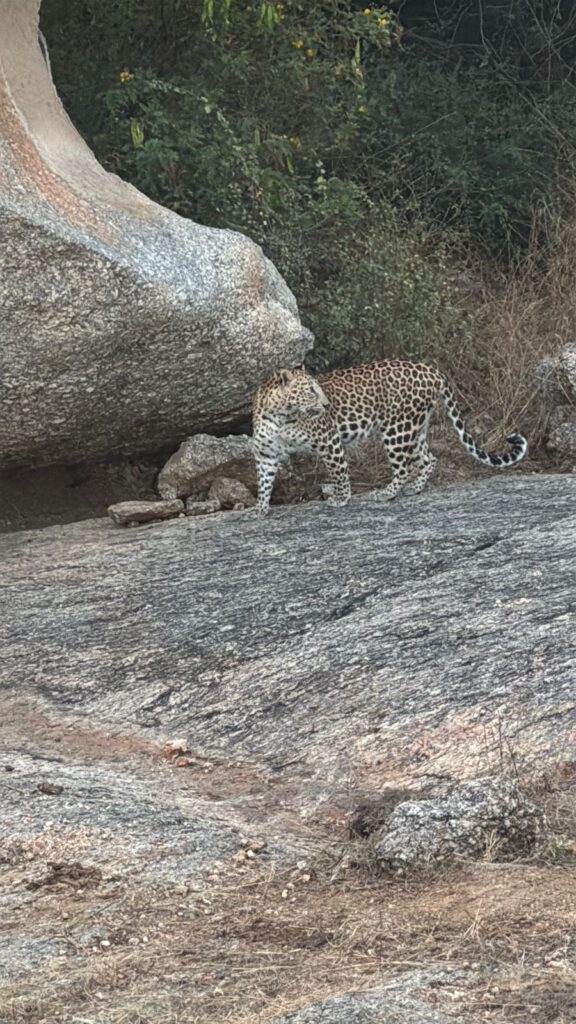
A leopard against a rocky hill is interesting.
But a wider photograph showing the leopard, granite landscape and surrounding countryside can communicate much more about Jawai.
That’s why landscape photography and wildlife photography work particularly well together here.
Best Subjects for Photography in Jawai
You don’t need to spend your entire trip looking for one particular subject.
Try photographing different aspects of the destination.
Granite Hills
The enormous granite formations are among the most recognizable features of the region.
Look for interesting shapes, textures and natural patterns.
Wide-angle photographs can show the scale of the landscape, while telephoto lenses can isolate individual rock formations.
Wildlife
Jawai is known for its wildlife experiences, but wildlife photography requires patience.
Never expect a particular animal to appear at a specific time.
Instead, allow your guide to help you understand where observation may be appropriate and follow responsible wildlife practices.
Birds
Bird photography can be particularly rewarding around water bodies and open countryside.
Our Birds of Jawai guide provides more information about birdwatching in the region.
Rural Life
Village scenes, livestock and everyday activities can provide some of the most authentic photographs from your trip.
Always ask permission before taking close-up photographs of people.
Landscapes
Don’t forget to photograph the environment itself.
Clouds, rocks, trees, water and distant hills can create beautiful compositions without any wildlife appearing in the frame.
Best Time for Jawai Photography
Light can completely change the appearance of the landscape.
Early Morning
Morning is one of the best periods for outdoor photography.
The light is softer, shadows are longer and temperatures are generally more comfortable.
The first light falling across granite formations can create strong textures and depth.
Late Afternoon
The hours before sunset can also provide beautiful light.
The landscape can take on warmer tones while long shadows emphasize the shapes of the rocks.
Midday
Harsh midday light can make photography more challenging.
However, this doesn’t mean you should stop shooting.
Try using strong shadows, silhouettes and close-up details creatively.
Monsoon Photography in Jawai
The monsoon can give Jawai a completely different appearance.
Rain brings changes to the landscape, and previously dry areas can become greener.
Dark clouds against granite hills can create dramatic compositions.
Rain itself can also become part of your photographs.
However, be careful around wet rocks and uneven terrain.
Protect your camera and lenses from sudden rain and avoid climbing slippery surfaces simply to get a better photograph.
Wildlife Photography Tips
Wildlife photography in Jawai requires a different approach from landscape photography.
Keep Your Distance
Never approach wildlife simply to get a closer photograph.
A longer lens is much safer and more effective.
Be Patient
Wildlife may remain hidden for a long time.
Don’t become frustrated if nothing happens immediately.
Avoid Sudden Movements
Slow movements are less likely to disturb animals.
Don’t Ask Drivers to Chase Animals
A photograph isn’t worth stressing wildlife.
Choose responsible wildlife experiences where animal welfare comes first.
Take Environmental Photographs
Don’t photograph only close-up portraits.
Use wider compositions that show animals within their natural surroundings.
Smartphone Photography in Jawai
You don’t need a professional camera to enjoy Jawai photography.
Modern smartphones can produce excellent landscape images.
Try:
- Using the wide-angle camera for landscapes
- Using portrait mode for closer subjects
- Shooting during early morning or late afternoon
- Keeping the lens clean
- Using natural light
- Avoiding excessive digital zoom
For wildlife, a dedicated camera with a telephoto lens will generally give you more flexibility.
But your best camera is the one you have with you.
Camera Gear for Jawai
If you’re bringing a dedicated camera, consider:
- Camera body
- Telephoto lens
- Wide-angle lens
- Extra batteries
- Memory cards
- Lens cloth
- Rain protection
- Camera bag
- Binoculars
A telephoto lens is useful for wildlife and birds.
A wide-angle lens is valuable for landscapes and architecture.
You don’t necessarily need to carry every lens you own.
Keep your setup practical.
Photographing Jawai’s Granite Landscape
One of the easiest ways to improve landscape photographs is to look for foreground, middle ground and background.
For example:
Foreground: Grass or rocks
Middle ground: Granite formation
Background: Hills and sky
This creates depth and makes a photograph feel more three-dimensional.
Try different perspectives rather than photographing everything from standing height.
Move lower.
Look for natural frames.
Use rocks or trees around the edge of the composition.
Photography Around Jawai Dam
The water landscape provides another opportunity for photography.
Depending on the season and conditions, you may be able to photograph:
- Birds
- Reflections
- Granite hills
- Clouds
- Sunrise
- Sunset
- Rural landscapes
For bird photography, a telephoto lens and patience are particularly useful.
Our Jawai Dam birdwatching guide can help you combine photography with birdwatching.
Photographing Local Culture
Photography can be a wonderful way to document travel, but cultural photography should always be respectful.
If you want to photograph someone closely, ask first.
Don’t photograph private religious ceremonies or personal moments without permission.
Instead of treating local communities simply as photographic subjects, take time to understand the story behind what you’re seeing.
Our Rabari Culture guide can help you learn more about the cultural side of the region.
Best Photography Locations in Jawai
Rather than searching for one “perfect” photography spot, explore different environments.
Good subjects can be found around:
- Granite hills
- Jawai Dam
- Open countryside
- Village surroundings
- Nature camps
- Scenic viewpoints
- Water bodies
Ask a knowledgeable local guide about locations that are appropriate and safe to visit.
Conditions can change seasonally, so a location that looks spectacular in one season may look completely different in another.
Sunrise or Sunset: Which Is Better?
Both have advantages.
Sunrise offers cooler temperatures, softer light and peaceful surroundings.
Sunset provides warmer tones and dramatic skies.
If you’re visiting for photography, try experiencing both rather than choosing only one.
The difference in light can make the same landscape look completely different.
Photography and Responsible Tourism
Good travel photography should never come at the expense of wildlife or local communities.
Avoid:
- Getting too close to animals
- Blocking animal movement
- Using flash around wildlife
- Disturbing birds
- Entering restricted areas
- Photographing people without permission
- Leaving waste behind
The goal is to document the destination while leaving it exactly as you found it.
Where to Stay for a Photography Trip
Photographers may benefit from staying somewhere that provides easy access to outdoor experiences and allows flexible scheduling.
Jawai Horizon Camp is one option for travelers interested in a nature-focused stay.
Before booking, confirm current accommodation options, facilities, meal timings and whether local wildlife or nature experiences can be arranged.
You can also explore our Hotels in Jawai guide when comparing accommodation.
How to Plan a Photography-Focused Jawai Trip
A simple itinerary could look like this:
Day 1: Arrive, explore the surrounding landscape and photograph sunset.
Day 2: Early morning wildlife or landscape photography, followed by rest during the afternoon and another outdoor session in the evening.
Day 3: Birdwatching, cultural photography and additional landscape exploration.
This gives you enough flexibility to wait for the right light instead of rushing from one location to another.
Don’t Forget the Story
The strongest Jawai photographs aren’t necessarily the sharpest ones.
They’re the photographs that communicate something.
A wide landscape can show the relationship between people, animals and the environment.
A photograph of a village can capture local character.
A bird beside the reservoir can communicate the importance of water.
A granite hill at sunset can show why the landscape is so distinctive.
Think about what you want your photograph to say before pressing the shutter.
Final Thoughts
Jawai photography is about much more than wildlife.
It is about granite hills, changing light, birds, water, villages, people and the relationship between nature and everyday life.
Take your time.
Wake up early.
Wait for good light.
Explore different perspectives.
And most importantly, photograph responsibly.
You may arrive in Jawai hoping to capture one particular wildlife photograph, but some of your most memorable images may end up being the unexpected ones — a bird crossing the morning sky, clouds gathering above the granite hills or a quiet village scene at sunset.
That’s the beauty of photographing Jawai.
You never know exactly what the landscape will give you.
Frequently Asked Questions
Is Jawai good for photography?
Yes. Jawai offers opportunities for wildlife, bird, landscape, cultural and travel photography, with granite hills and open countryside providing distinctive backgrounds.
What is the best time for Jawai photography?
Early morning and late afternoon generally provide softer and more attractive natural light. Monsoon can also create dramatic landscape conditions.
Do I need a professional camera in Jawai?
No. Smartphones can produce excellent landscape photographs. A dedicated camera and telephoto lens are useful for wildlife and bird photography.
What lens is best for wildlife photography in Jawai?
A telephoto lens is generally the most useful choice because it allows photographers to maintain a respectful distance from wildlife.
Can I photograph people in Jawai villages?
Ask for permission before taking close-up photographs of people, and always respect privacy and local customs.
Is monsoon good for photography in Jawai?
Monsoon can be excellent for landscape photography because rain and changing vegetation can transform the appearance of the region. Take extra care around slippery rocks.
Can photography be combined with birdwatching?
Yes. Jawai’s water bodies and surrounding landscape can provide opportunities to combine birdwatching with photography.
Explore More Jawai Guides
External authority: For broader information about tourism and destinations in Rajasthan, see Rajasthan Tourism.