
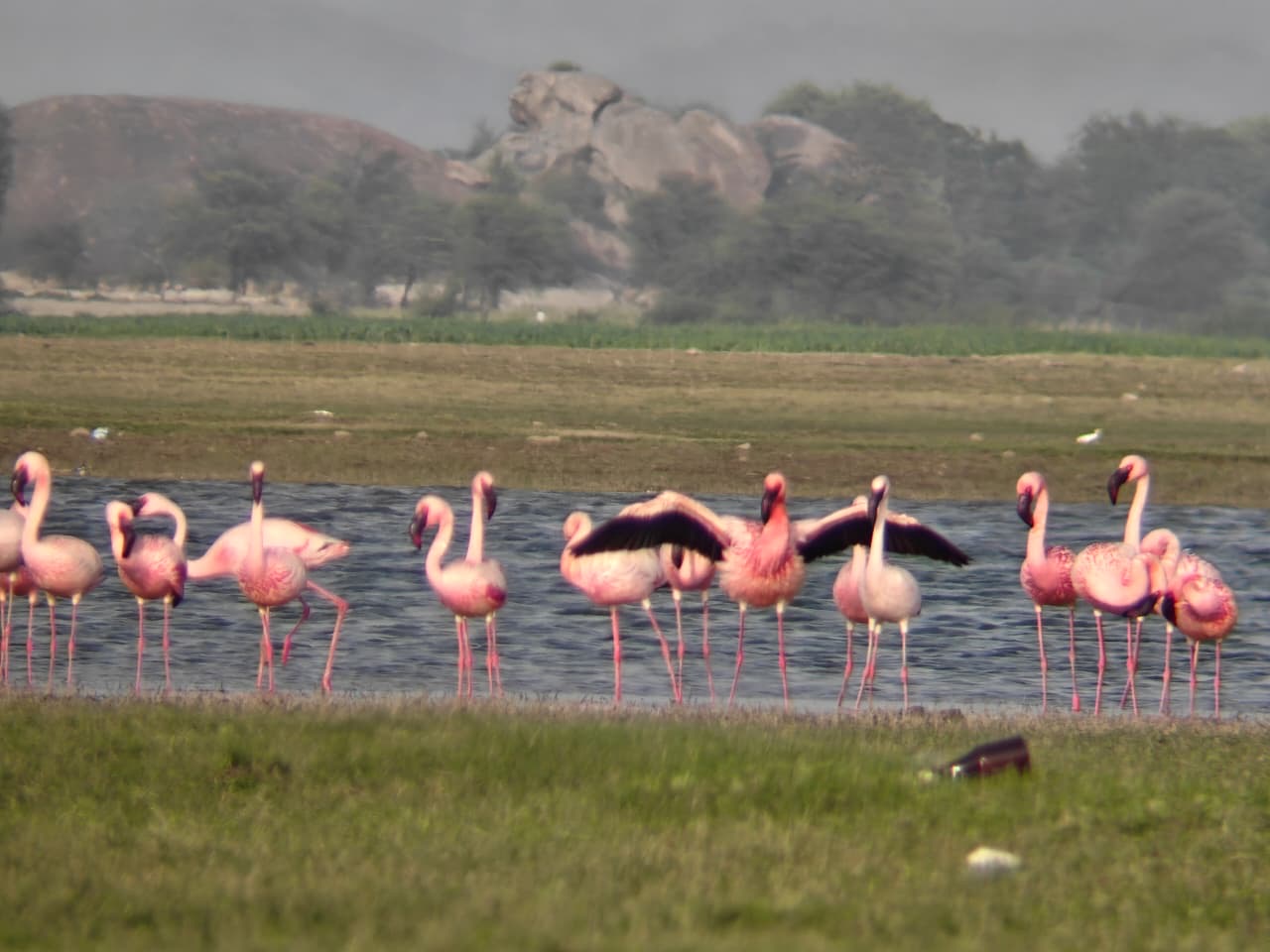
Discover Jawai Dam birdwatching, the birds found around the reservoir, seasonal changes, photography tips and how to enjoy a peaceful birding experience in Rajasthan.
Jawai Dam Birdwatching: Discover the Birdlife of Rajasthan’s Granite Landscape
When travelers think about Jawai, they often picture dramatic granite hills, open landscapes and wildlife. But there’s another side of the region that deserves attention — Jawai Dam birdwatching.
The reservoir and surrounding countryside create an interesting environment for birds. Open water, rocky hills, vegetation and agricultural areas come together to form a landscape where different species can be observed throughout the year.
For travelers who enjoy photography, nature walks or simply spending quiet time outdoors, birdwatching around Jawai Dam can be one of the most rewarding experiences in the region.
Unlike a wildlife experience focused on finding one particular animal, birdwatching encourages you to slow down and notice everything happening around you.
Why Is Jawai Dam Interesting for Birdwatchers?
Jawai Dam is more than a scenic water body.
Its surrounding landscape contains several different habitats. Water attracts birds, while rocky terrain and vegetation provide places for feeding, resting and shelter.
This combination makes the area interesting for birdwatchers.
Depending on the season, weather and location, you may encounter waterbirds, raptors, smaller resident birds and migratory species.
The changing conditions throughout the year also mean that every visit can offer something different.
Birdwatching in a Unique Landscape
One of Jawai’s most distinctive features is its granite terrain.
Large rocky outcrops rise from the surrounding countryside, creating dramatic scenery.
Imagine watching a bird flying across an open blue sky with granite hills in the background.
That combination makes Jawai Dam birdwatching especially appealing to photographers.
You’re not simply photographing birds — you’re photographing them within one of Rajasthan’s distinctive landscapes.
What Birds Can You See Around Jawai?
The exact species you encounter will depend on the season, weather and location.
Birdwatchers may find different species around water bodies, rocky areas and open countryside.
Possible sightings can include:
- Flamingos
- Pelicans
- Egrets
- Herons
- Kingfishers
- Cormorants
- Sandpipers
- Kites
- Eagles
- Vultures
- Bee-eaters
- Hoopoes
These aren’t guaranteed sightings. Wild birds move freely, and their presence changes with conditions.
That unpredictability is part of what makes birdwatching exciting.
Migratory Birds in Jawai
One of the fascinating aspects of birdwatching in Rajasthan is seasonal migration.
During suitable periods, migratory birds can arrive from other regions in search of food and favorable conditions.
Water bodies such as Jawai Dam can become particularly interesting during these periods.
If migratory birds are your main interest, check recent local bird reports or speak with an experienced local guide rather than relying on a fixed species list.
The Best Time for Birdwatching
Early morning is generally one of the most enjoyable times for birdwatching.
Temperatures are more comfortable, the light is softer and birds can be active.
Late afternoon can also be rewarding.
During the middle of the day, the heat can make outdoor observation less comfortable, especially during warmer months.
For photographers, early morning and late afternoon also offer better natural light.
Monsoon Changes the Landscape
The monsoon can completely change the appearance of Jawai.
Rain brings fresh vegetation and adds new colors to the countryside.
Clouds can create dramatic backgrounds around the granite hills.
Water levels and local conditions can also change.
For birdwatchers, this means the landscape may look very different compared with the dry season.
However, wet rocks can become slippery, so take extra care when walking around rocky areas during or after rainfall.
Winter and Birdwatching
Winter can be an enjoyable season for bird enthusiasts because cooler temperatures make outdoor exploration more comfortable.
Depending on the year and local conditions, winter may also bring migratory birds to parts of Rajasthan.
If birdwatching is your main objective, consider spending two or more mornings exploring different areas rather than expecting to see everything during one short outing.
Summer Birdwatching
Summer in Rajasthan can be hot.
Bird activity may be more noticeable around water and during the cooler parts of the day.
If you visit during summer, plan outdoor activities around sunrise and sunset whenever possible.
Carry enough drinking water and protect yourself from the sun.
Bird Photography Tips for Jawai
You don’t need the most expensive camera to enjoy bird photography.
Good technique and patience often matter more.
Use Early Light
Morning light can provide softer shadows and better detail.
Be Patient
Don’t chase birds. Find a comfortable position and wait.
Keep Your Movements Slow
Sudden movements can cause birds to fly away.
Use a Telephoto Lens
A longer lens allows you to photograph birds without approaching too closely.
Watch the Background
Jawai’s granite hills can provide beautiful natural backgrounds.
Don’t Disturb Birds
Never approach nests or breeding birds for a photograph.
The welfare of the animal should always come before getting a photograph.
Birdwatching With a Local Guide
A local guide can make a significant difference.
Experienced guides know the landscape and may recognize bird calls, feeding areas and seasonal patterns.
They can also help you explore responsibly without unnecessarily disturbing wildlife.
If you’re unfamiliar with Jawai, a local guide can save time and make the experience more enjoyable.
Jawai Birdwatching Beyond the Dam
Although Jawai Dam is an important part of the region’s landscape, don’t limit your birdwatching to the shoreline.
Look around:
- Rocky hills
- Agricultural fields
- Village edges
- Trees
- Open grassland
- Water channels
- Wetland areas
Different habitats attract different birds.
That’s why exploring several landscapes can produce a more interesting bird list.
Combine Birdwatching With a Jawai Nature Trip
One advantage of staying in Jawai is that you don’t have to choose between different types of nature experiences.
A day could include:
Morning: Birdwatching
Late morning: Breakfast and relaxation
Afternoon: Explore the local landscape
Evening: Wildlife experience or sunset viewpoint
This creates a more balanced itinerary.
You can also explore our Things to Do in Jawai guide for more ideas.
Jawai’s Granite Hills and Birds
The relationship between birds and the landscape is one of the most beautiful aspects of the experience.
A bird perched on an isolated rock.
An eagle circling above a hill.
Waterbirds moving across the reservoir.
A flock crossing the evening sky.
These moments can be more memorable than simply ticking species off a list.
That’s part of the charm of Jawai Dam birdwatching.
Responsible Birdwatching
Good birdwatching starts with respect for wildlife.
Never:
- Feed wild birds
- Throw stones
- Play loud sounds to attract birds
- Use recorded calls excessively
- Approach nests
- Chase birds for photographs
- Leave plastic behind
Keep a respectful distance and allow birds to behave naturally.
Responsible observation helps protect the environment for both wildlife and future visitors.
Where to Stay for a Birdwatching Trip
If birdwatching is an important part of your itinerary, consider accommodation that can support early starts and local transportation.
Jawai Horizon Camp is one nature-oriented accommodation option in the region.
Before booking, confirm its current facilities, meal arrangements and whether birdwatching or local nature experiences can be arranged.
You can also explore our Hotels in Jawai guide when planning your accommodation.
How Long Should You Spend Birdwatching?
A few hours can provide a pleasant introduction.
However, serious birdwatchers may prefer multiple sessions across two or three days.
Bird activity changes with:
- Time of day
- Weather
- Season
- Water levels
- Location
Spending more time therefore gives you more opportunities to see different species and behaviors.
Why Jawai Is Worth Exploring for Bird Lovers
Jawai offers something different from many traditional wildlife destinations.
You don’t have to spend the entire day inside a vehicle.
Birdwatching can be combined with landscapes, culture, photography and relaxation.
The open environment also creates opportunities for unexpected sightings.
You might begin the morning looking for waterbirds and end up photographing a raptor over the granite hills.
That’s part of the appeal.
Final Thoughts
Jawai Dam birdwatching offers travelers an opportunity to experience a quieter side of Rajasthan.
The reservoir, granite hills and surrounding countryside create a fascinating environment for observing birds and photographing nature.
You don’t need to be an expert birder to enjoy it.
Bring binoculars, comfortable shoes, patience and curiosity.
Most importantly, allow the landscape to set the pace.
Jawai isn’t only a destination for wildlife enthusiasts. It’s a place where birds, hills, water, villages and open skies come together to create a memorable nature experience.
Frequently Asked Questions
Is Jawai good for birdwatching?
Yes. Jawai’s reservoir, rocky terrain and surrounding countryside provide a variety of habitats that can be interesting for birdwatchers.
What is the best time for Jawai Dam birdwatching?
Early morning is generally a good time because temperatures are more comfortable and birds can be active. Late afternoon can also provide good opportunities.
Can I see migratory birds in Jawai?
Migratory birds may be present during suitable seasonal periods, but sightings vary by year, weather and local conditions.
What should I carry for birdwatching in Jawai?
Binoculars, drinking water, sun protection, comfortable footwear and a camera are useful.
Can beginners enjoy birdwatching in Jawai?
Absolutely. You don’t need specialist knowledge. A local guide can also help beginners identify birds and understand the landscape.
Can birdwatching be combined with other Jawai experiences?
Yes. Birdwatching can be combined with wildlife, photography, local culture and landscape exploration.
Explore More Jawai Guides
Ahmedabad to Jawai Travel Guide
External Authority
For broader information about Rajasthan’s tourism destinations and wildlife areas, refer to Rajasthan Tourism.
[…] Jawai Dam birdwatching guide can help you combine photography with […]
[…] You can also read our Jawai Dam Birdwatching Guide. […]
[…] can read our Jawai Dam Birdwatching Guide for more […]
[…] If this interests you, read our Jawai Dam Birdwatching Guide. […]