
Planning your first Jawai Safari? Learn what to expect, how to prepare, safari tips, leopard sightings, what to carry, best time to visit and how to enjoy Jawai responsibly.
Jawai Safari for First-Time Visitors
Your first Jawai Safari can be an exciting experience.
You are heading into a landscape of enormous granite hills, open countryside and wildlife habitats, hoping to catch a glimpse of one of Rajasthan’s most fascinating big cats — the leopard.
But a Jawai Safari isn’t simply about finding a leopard.
It is about exploring the landscape, watching wildlife in its natural surroundings, learning about the region and experiencing a side of Rajasthan that feels very different from its famous forts and cities.
If you’re planning your first visit to Jawai, a little preparation can make the experience much more enjoyable.
Here’s everything you should know before your first Jawai Safari.
What Makes Jawai Safari Different?
Jawai is famous for its distinctive granite landscape and its free-ranging leopard population.
Unlike a traditional zoo-like wildlife experience, the animals here live in a natural environment surrounded by rocky hills, villages, water bodies and open countryside.
This makes every safari unpredictable.
You may spend time driving through the hills before spotting wildlife.
You may find birds around the water.
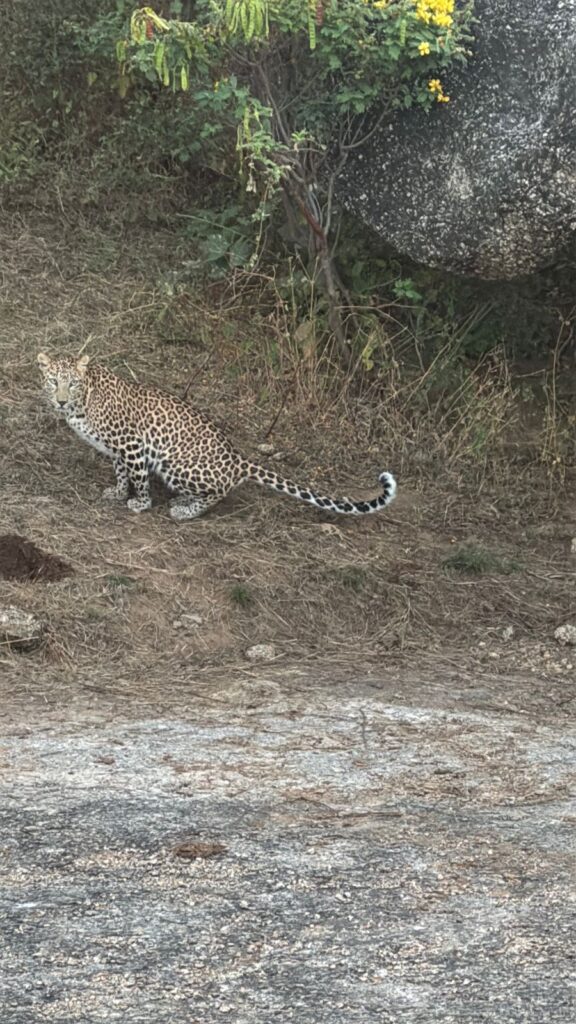
Or you may suddenly discover a leopard resting on a rocky slope.
That element of uncertainty is part of what makes a Jawai Safari special.
For a broader introduction, read our Complete Guide to Jawai Safari.
What Can You See on a Jawai Safari?
The leopard is the main attraction, but it isn’t the only wildlife you may encounter.
Depending on the location, season and conditions, your safari experience may include:
- Leopards
- Birds
- Crocodiles around suitable water bodies
- Antelope and other mammals
- Domestic livestock
- Various smaller wildlife species
Wildlife sightings are never guaranteed.
A responsible safari focuses on observing animals without disturbing them.
Your First Leopard Sighting
For many visitors, the first leopard sighting becomes the highlight of their Jawai trip.
The experience can be surprisingly different from what you expect.
You might see a leopard sitting high on a granite rock.
You might notice only its head between rocks.
Sometimes the animal may be resting quietly and blend into the landscape.
This is why patience is important.
Don’t expect every safari to produce a dramatic close-up photograph.
Sometimes finding an animal that is partly hidden is just as exciting.
Read our detailed Leopard Safari in Jawai guide before your trip.
How Many Safaris Should a First-Time Visitor Take?
If seeing a leopard is your main goal, consider taking more than one safari.
Wildlife doesn’t operate according to a timetable.
One drive may be quiet while another may provide an unforgettable sighting.
For a short holiday, two safari drives can be a good starting point.
If you’re a serious wildlife photographer, you may want to stay longer and take additional drives.
Our Jawai Safari Booking Guide can help you plan your experience.
Morning or Evening Jawai Safari?
Both morning and evening safaris can offer enjoyable experiences.
The right choice depends on your travel schedule, season and current safari timings.
Early morning can offer pleasant temperatures and beautiful light.
Evening drives can provide changing colours across the granite landscape and the possibility of a memorable sunset.
Always confirm the latest safari schedule before travelling because timings and operations can change.
You can also refer to our Jawai Safari Timings guide.
What Should You Carry on a Jawai Safari?
You don’t need a huge amount of equipment.
For most visitors, the following items are enough:
- Comfortable clothing
- Sunglasses
- Hat or cap
- Sunscreen
- Water bottle
- Camera or smartphone
- Binoculars
- Power bank
- Extra camera batteries
- Light jacket during cooler months
If you’re visiting during monsoon, carry rain protection and a waterproof bag for electronics.
If you’re interested in wildlife photography, a camera with a telephoto lens can be useful, but it isn’t essential.
Best Camera for Jawai Safari
You don’t need an expensive professional camera to enjoy wildlife photography.
A smartphone can capture the experience, especially when the animal is relatively close.
For serious photography, a camera with a telephoto lens provides greater flexibility.
More important than expensive equipment is understanding how to behave around wildlife.
Never ask a driver to chase an animal just to get a better photograph.
A natural photograph from a respectful distance is always better.
Don’t Expect a Leopard Every Time
This is one of the most important things for first-time visitors to understand.
A Jawai Safari does not guarantee a leopard sighting.
Wild animals move freely and can be hidden among rocks or vegetation.
If you don’t see a leopard on your first drive, don’t consider the safari unsuccessful.
Look at the landscape.
Watch the birds.
Observe animal behaviour.
Listen to your guide.
The safari is an experience rather than a guaranteed wildlife show.
Explore Jawai Beyond the Leopard
One mistake first-time visitors make is focusing entirely on the leopard.
Jawai has much more to offer.
You can explore Jawai Dam, enjoy birdwatching, photograph the granite hills and learn about the local communities.
Read our guide to Things to Do in Jawai Apart From Leopard Safari to discover more experiences.
Birdwatching During Your Jawai Trip
Bird lovers should definitely carry binoculars.
The wetlands and water bodies around Jawai attract a variety of birds.
Depending on the season and location, you may have opportunities to observe waterbirds and other species.
For a detailed guide, read Birds of Jawai | Bird Watching Jawai.
Combining birdwatching with a Jawai Safari can make your trip more interesting, especially if you enjoy nature photography.
Experience Jawai’s Rural Culture
Jawai isn’t an isolated wildlife park.
People live and work around the landscape, and local communities have a long relationship with the region.
The Rabari community is an important part of the cultural identity of the area.
Learning about local culture can make your wildlife trip more meaningful.
Our Rabari Culture guide provides more information.
Always respect local privacy and ask before photographing people.
Where Should You Stay in Jawai?
Your accommodation can significantly affect your overall experience.
Jawai has a range of stays, including camps, resorts and nature-oriented properties.
If you want to stay close to the landscape, look for accommodation that makes safari arrangements convenient and provides a comfortable place to relax between activities.
Our Jawai Hotel | Hotels in Jawai guide can help you compare your options.
Jawai Horizon Camp is another stay option to consider when planning a wildlife-focused visit. Check its current availability, facilities and booking conditions directly before making a reservation.
Best Time for Jawai Safari
There isn’t one perfect time for every traveler.
Winter is popular because temperatures are generally comfortable for outdoor activities.
Summer can be hotter but offers a different wildlife experience.
Monsoon can transform the landscape with greenery and dramatic clouds, although weather conditions can affect safari operations.
If you’re interested in visiting during the rainy season, read our Jawai in Monsoon guide.
What Should You Wear?
Comfort is more important than fashion on safari.
Choose lightweight, breathable clothing and comfortable shoes.
Neutral or earthy colours can also help you blend into the surroundings and avoid unnecessarily bright clothing.
Depending on the season, you may need:
Winter: Light jacket or warm layers
Summer: Light cotton clothing, hat and sunglasses
Monsoon: Quick-drying clothes and rain protection
Responsible Jawai Safari Etiquette
A responsible visitor helps protect the wildlife experience for everyone.
During your safari:
- Don’t shout at animals.
- Don’t play loud music.
- Don’t throw anything toward wildlife.
- Don’t feed animals.
- Don’t ask drivers to chase wildlife.
- Don’t litter.
- Don’t leave the designated safari vehicle without permission.
- Follow your guide’s instructions.
The Rajasthan Forest Department is an important official resource for information about wildlife and conservation in Rajasthan.
Jawai Safari for Families
A Jawai Safari can be a memorable experience for families.
Children can learn about wildlife, landscapes and nature outside the classroom.
However, parents should explain basic safari etiquette before the drive.
Children should remain seated and avoid shouting or sudden movements when wildlife is nearby.
The quieter everyone remains, the better the chance of enjoying natural animal behaviour.
Jawai Safari for Couples
For couples, Jawai offers a combination of wildlife and peaceful landscapes.
A morning safari, relaxed afternoon at the resort and evening surrounded by the granite hills can create a very different kind of romantic getaway.
If you’re looking for a short break away from busy cities, Jawai can be an excellent option.
A Simple First-Time Jawai Safari Plan
Day 1
Arrive in Jawai
Check into your accommodation
Have lunch and relax
Enjoy an evening Jawai Safari
Watch the sunset
Dinner and overnight stay
Day 2
Morning Jawai Safari
Breakfast
Birdwatching or Jawai Dam
Explore local culture
Relax and depart
If you have an extra day, consider adding another safari and spending more time photographing the landscape.
Why Your First Jawai Safari Can Be Special
The beauty of a Jawai Safari isn’t only the moment when you see a leopard.
It is the drive through the rocky landscape.
It is spotting a bird near the water.
It is watching the first light touch the granite hills.
It is sitting quietly while your guide searches the rocks.
And then, perhaps, seeing a leopard appear exactly where you least expected it.
That’s the magic of wildlife.
You cannot completely plan it.
You can only put yourself in the right place, remain patient and enjoy the experience.
Frequently Asked Questions
Is Jawai Safari suitable for first-time wildlife travelers?
Yes. Jawai can be an excellent introduction to wildlife tourism because visitors can experience leopards, birds, landscapes and local culture in the same destination.
Is a leopard sighting guaranteed on Jawai Safari?
No. Leopards are wild animals and sightings cannot be guaranteed. Multiple safari drives may increase opportunities but still cannot guarantee a sighting.
How many days should I spend in Jawai?
Two days can provide a good introduction to Jawai. Three or more days may be better if wildlife photography and multiple safari drives are your priority.
What is the best time for Jawai Safari?
The best time depends on your preferences, weather and the type of experience you want. Always check current safari timings and operating conditions before travelling.
What should I carry on a Jawai Safari?
Carry water, sunglasses, sunscreen, comfortable clothing, a camera or smartphone, binoculars and a power bank. Seasonal rain or warm clothing may also be required.
Can I visit Jawai without taking a leopard safari?
Yes. You can enjoy birdwatching, Jawai Dam, photography, local culture and the surrounding landscape even if you don’t take a leopard safari.
Plan Your First Jawai Safari
If you’re planning your first Jawai Safari, don’t come with a checklist of animals you absolutely must see.
Come with curiosity.
Explore the granite hills.
Watch the birds.
Learn about the local culture.
Listen to your guide.
And if you’re lucky, you may find a leopard resting quietly on a distant rock.
That unexpected moment is often what makes a Jawai Safari unforgettable.
Jawai isn’t simply a destination for leopard sightings. It’s a complete wildlife and nature experience in Rajasthan.
Explore More Jawai Safari Guides
Complete Guide to Jawai Safari
Birds of Jawai | Bird Watching Jawai
Things to Do in Jawai Apart From Leopard Safari
Jawai Hotel | Hotels in Jawai
Authoritative External Resources