Planning Jawai wildlife photography? Discover leopard photography tips, best safari timings, camera gear, lenses, seasons, private safaris and photo tips.
Jawai Wildlife Photography 2026: Best Safari & Photography Tips
Looking for the best Jawai wildlife photography experience in Rajasthan? Jawai is an exceptional destination for photographers who want to combine leopard photography with dramatic granite hills, open landscapes, birds, crocodiles and rural life.
Unlike a traditional forest safari, wildlife photography in Jawai offers a distinctive landscape where leopards can be seen among rocky hills and natural surroundings. The combination of wildlife, golden light and rugged terrain makes Jawai particularly interesting for both professional photographers and travellers carrying a camera for the first time.
With the right safari timing, equipment and planning, your Jawai wildlife photography trip can become much more than a search for a leopard.
PLAN YOUR JAWAI PHOTOGRAPHY SAFARI →
Why Is Jawai Good for Wildlife Photography?
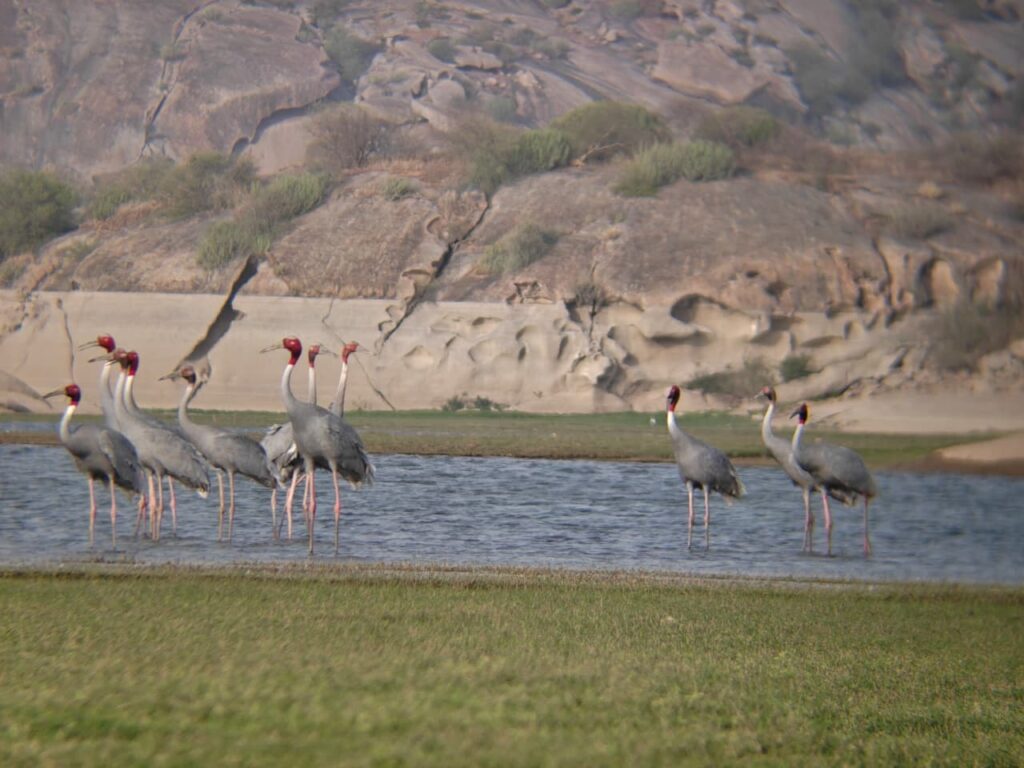
Jawai offers a different photographic environment from many traditional wildlife destinations in India.
The landscape combines:
- Granite hills
- Rocky caves and slopes
- Open grassland
- Jawai Dam
- Leopards
- Crocodiles
- Resident birds
- Migratory birds
- Rural villages
- Traditional landscapes
- Sunrise and sunset light
This combination allows photographers to capture both wildlife and the environment in which the animals live.
A leopard photograph against Jawai’s rocky hills can also tell a much stronger story than a close-up animal portrait alone.
Jawai Leopard Photography
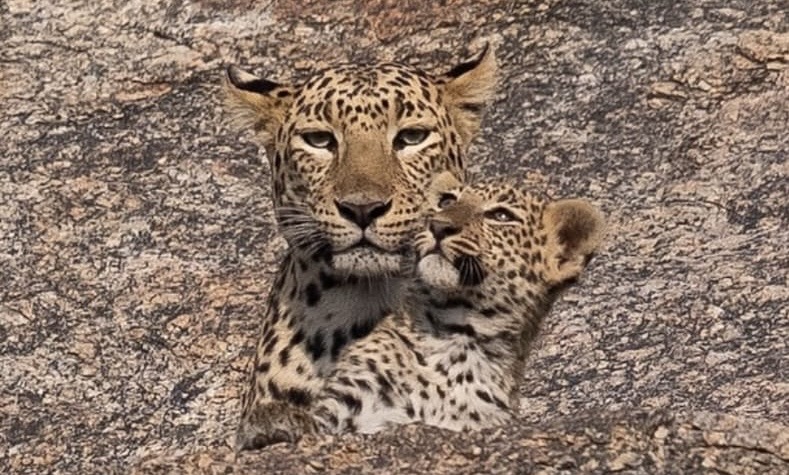
For many visitors, the main photography goal is a Jawai leopard photograph.
Jawai’s leopards live in a landscape dominated by granite formations and open terrain. During a safari, your driver or local tracker may look for signs of leopard activity and guide the vehicle towards suitable viewing areas.
However, leopards are wild animals.
Their location and behaviour can change, so:
A leopard sighting cannot be guaranteed.
Don’t judge a safari only by whether you get the perfect photograph. Wildlife photography is also about patience, observation and documenting the natural environment responsibly.
Best Camera for Jawai Wildlife Photography
You don’t necessarily need the most expensive camera to photograph wildlife in Jawai.
A modern mirrorless or DSLR camera with a suitable telephoto lens can produce excellent results.
A useful wildlife photography setup can include:
- Mirrorless or DSLR camera
- Telephoto lens
- Spare batteries
- Extra memory cards
- Lens cleaning cloth
- Bean bag or camera support
- Binoculars
- Camera backpack
- Smartphone for quick landscape photographs
If you already own a good camera, learning how to use it effectively is generally more important than buying expensive equipment specifically for one trip.
Best Lens for Leopard Photography in Jawai
A telephoto lens is one of the most useful pieces of equipment for a leopard safari.
Depending on your camera system, useful focal lengths can include:
200–400mm: Good for animals that are relatively close.
100–500mm: Versatile for changing distances.
150–600mm: Useful when wildlife is farther away.
A zoom telephoto lens can be particularly practical because the distance from the vehicle to an animal can change quickly.
Avoid getting too close simply to fill the frame.
A good wildlife photograph should never come at the expense of the animal’s comfort or safety.
Best Time for Jawai Wildlife Photography
Light is one of the most important factors in wildlife photography.
Early Morning
Morning light can provide:
- Soft shadows
- Cooler tones
- Atmospheric landscapes
- Bird activity
- Beautiful sunrise conditions
Early morning is also an excellent time for landscape photographs of Jawai’s granite hills.
Late Afternoon and Sunset
Evening light can create:
- Warm tones
- Long shadows
- Golden landscapes
- Silhouettes
- Dramatic backgrounds
For photographers, the final part of an evening safari can be particularly rewarding when conditions are suitable.
Best Season for Jawai Photography
Different seasons create different photographic opportunities.
October to March
This is a popular period because the weather is generally comfortable and the landscape is suitable for combining safari and sightseeing.
Birdwatching can also be particularly interesting during this period.
April to June
The warmer months can create stronger contrasts between the dry landscape, rocky hills and wildlife.
However, temperatures can be high, so photographers should prepare accordingly.
July to September
The monsoon can change the appearance of Jawai considerably.
The landscape can become greener and the granite hills may have a different visual character.
Weather conditions can affect safari arrangements, so check availability before planning a photography trip.
For a detailed seasonal guide, read our Best Time to Visit Jawai Safari.
Best Safari Timing for Photography
Your safari timing can have a major effect on the photographs you capture.
Morning and evening safaris provide different lighting conditions.
For wildlife photography, consider:
- Sunrise light
- Sunset light
- Animal activity
- Weather
- Visibility
- Seasonal conditions
- Safari duration
Check our Jawai Safari Timings guide before planning your photography safari.
Private Safari for Wildlife Photography
Photographers often prefer a private Jawai safari because it gives them more control over their photography setup and allows them to travel with their own group.
A private vehicle can be useful for:
- Camera equipment
- Larger lenses
- Multiple photographers
- Families travelling with photographers
- More comfortable positioning
- Flexible photography plans
However, vehicle behaviour should always follow responsible wildlife practices.
Never ask a driver to chase an animal or repeatedly reposition the vehicle in a way that disturbs wildlife.
Jawai Safari Price for Photographers
If wildlife photography is your priority, consider the safari cost as part of your photography investment.
Private Jawai safari prices generally range from approximately ₹4,000 to ₹9,000 per jeep, depending on season, travel date, demand, safari type and availability.
This is an indicative seasonal range and not a fixed year-round price.
You can read our detailed Jawai Safari Price 2026 guide before planning your budget.
For photographers, booking multiple safari drives can sometimes provide more opportunities because wildlife sightings and lighting conditions vary from one drive to another.
How Many Safaris Should a Photographer Book?
There is no guaranteed number of safaris that will produce a particular photograph.
However, additional safari drives give you more opportunities to experience different:
- Weather conditions
- Lighting
- Wildlife activity
- Locations
- Leopard behaviour
- Bird activity
- Landscape conditions
If photography is your primary objective, consider planning enough time in Jawai rather than relying on a single safari.
Jawai Photography Beyond Leopards
One of the biggest advantages of Jawai is that your camera does not have to stay focused on leopards.
You can also photograph:
Birds
Jawai and the surrounding wetlands attract a variety of resident and migratory birds.
Crocodiles
The water bodies around the region can provide opportunities for observing and photographing crocodiles.
Granite Hills
The distinctive rock formations are excellent subjects for landscape photography.
Villages and Rural Life
Jawai’s rural landscape provides opportunities to document traditional architecture, livestock and everyday village life respectfully.
Sunrises and Sunsets
The combination of rocky hills and open horizons can create strong landscape compositions.
Wildlife Photography Composition Tips
A good wildlife photograph isn’t only about having a powerful lens.
Try to include some of Jawai’s environment in your composition.
Instead of always filling the frame with a leopard, experiment with:
- Environmental portraits
- Negative space
- Leading lines
- Rocky backgrounds
- Silhouettes
- Reflections
- Wide landscape compositions
- Animal-eye-level perspectives
A leopard surrounded by the granite landscape can communicate the character of Jawai much better than a tight crop.
Camera Settings for Jawai Leopard Photography
Wildlife photography requires quick adjustments because animals can move unexpectedly.
As a starting point, photographers can consider:
Shutter speed: Around 1/1000 sec or faster for moving wildlife.
Aperture: A wide aperture can help separate the animal from the background.
ISO: Adjust according to available light rather than trying to keep ISO extremely low.
Autofocus: Continuous autofocus can help track moving animals.
Drive mode: Burst shooting can help capture a useful moment.
These are starting points rather than fixed settings.
Your ideal settings will depend on your camera, lens, light and subject movement.
Photography Tips for a Successful Jawai Safari
Keep Your Camera Ready
Wildlife can appear unexpectedly. Keep the camera switched on and settings prepared.
Watch the Background
A clean background can make an enormous difference to a wildlife photograph.
Don’t Chase the Perfect Close-Up
Environmental photographs often tell a better story.
Shoot in RAW
If your camera supports RAW, it gives you more flexibility during post-processing.
Carry Spare Batteries
Long safari drives can drain batteries, particularly when using continuous autofocus and high-speed shooting.
Protect Your Equipment
Dust can be present around rocky safari routes, so carry basic cleaning equipment.
Wildlife Photography Etiquette in Jawai
Responsible wildlife photography should always come before getting a photograph.
Never:
- Ask the driver to chase wildlife.
- Block an animal’s movement.
- Make loud noises to attract attention.
- Feed wildlife for photographs.
- Use artificial methods to attract animals.
- Disturb nesting birds.
- Get out of the vehicle where it is unsafe.
- Ignore your guide’s instructions.
The best wildlife photograph is one that does not disturb the animal.
Hotels in Jawai for Wildlife Photographers
Choosing the right accommodation can also improve your photography trip.
When selecting hotels in Jawai, photographers should consider:
- Early breakfast arrangements
- Easy safari coordination
- Private safari availability
- Multiple safari options
- Camera equipment storage
- Quiet surroundings
- Convenient access to safari areas
If you need accommodation, see our detailed guide to Hotels in Jawai.
Jawai Wildlife Photography Itinerary
A two-night stay can provide a useful starting point for photographers.
Day 1
Arrive in Jawai.
Check into your accommodation and prepare your camera equipment.
Take an evening leopard safari and photograph the landscape during golden hour.
Day 2
Take a morning safari.
Return for breakfast and spend the middle of the day reviewing photographs and relaxing.
Later, explore Jawai’s landscape, birdwatching opportunities or local surroundings before taking another evening safari if available.
Day 3
Take a final morning safari if your schedule allows.
Have breakfast and depart.
For a shorter trip, see our Jawai Short Trip Guide.
What to Pack for Jawai Wildlife Photography
A photographer should consider carrying:
- Camera body
- Telephoto lens
- Wide-angle lens
- Spare batteries
- Memory cards
- Camera cleaning kit
- Binoculars
- Power bank
- Comfortable clothing
- Sunglasses
- Sunscreen
- Hat or cap
- Water bottle
During cooler months, mornings can feel cold, so carry an additional layer for early safaris.
Why Jawai Is Different for Photographers
Jawai offers something that many conventional wildlife destinations cannot easily replicate.
The subject is not just the leopard.
It is the entire landscape.
A single safari can potentially give you photographs of:
Leopard + granite hills + birds + water + villages + dramatic light
This makes Jawai wildlife photography particularly interesting for photographers who want to create a complete visual story rather than only collect close-up animal portraits.
Plan Your Jawai Wildlife Photography Trip
The key to successful wildlife photography in Jawai is preparation.
Choose your travel season, book suitable accommodation, arrange a private safari if required, carry appropriate equipment and allow enough time for more than one wildlife experience.
Most importantly, be patient.
Wildlife photography cannot be controlled like a studio shoot. The best moments often happen when you are prepared and willing to wait.
Ready to plan your Jawai photography safari?
The Jawai Safari
Jawai Bandh Road, Doodni, Rajasthan 306126
Experience Jawai’s leopards, granite hills, birds and unique wildlife landscape through a responsible safari experience.
Frequently Asked Questions About Jawai Wildlife Photography
Is Jawai good for wildlife photography?
Yes. Jawai offers opportunities to photograph leopards, birds, crocodiles, granite hills, rural landscapes and dramatic sunrise and sunset scenes.
What camera is best for Jawai leopard photography?
A DSLR or mirrorless camera with a telephoto lens is suitable. A versatile zoom telephoto lens can be particularly useful because wildlife may appear at different distances.
What lens should I use for leopard photography in Jawai?
Telephoto lenses in ranges such as 100–500mm or 150–600mm can be useful, depending on your camera system and shooting conditions.
Is a private safari better for wildlife photography?
A private safari can be more convenient for photographers because your group has the vehicle to itself and you can carry your equipment more comfortably.
Can I photograph leopards in Jawai?
Yes. Leopard photography is one of the main reasons wildlife photographers visit Jawai. However, leopard sightings are never guaranteed.
What is the best time for Jawai wildlife photography?
Early morning and late afternoon generally provide attractive natural light. October to March is also a popular period because of comfortable weather and good conditions for wildlife and landscape photography.
How many safaris should I book for photography?
There is no guaranteed number. Multiple safari drives provide additional opportunities with different lighting, wildlife activity and locations.
What is the Jawai safari price for photographers?
Private safari prices generally range from approximately ₹4,000 to ₹9,000 per jeep depending on season, travel date, demand, safari type and availability.
Can I photograph birds in Jawai?
Yes. Jawai and its wetlands provide opportunities for birdwatching and bird photography, particularly during suitable seasonal conditions.
Are leopard sightings guaranteed?
No. Leopards are wild animals and their movement is unpredictable. A responsible safari operator should never guarantee a sighting.
Book Your Jawai Photography Safari
Planning a Jawai wildlife photography trip?
Share your:
Travel date:
Number of photographers/guests:
Number of safaris:
Preferred safari: Morning / Evening
Stay required: Yes / No
We can help you plan your safari around your travel dates and photography requirements.
[…] photography is important to you, read our Jawai Wildlife Photography Guide for useful photography ideas and camera […]