
Planning a Jawai Safari in monsoon? Discover what Jawai looks like during the rainy season, leopard safari tips, weather, wildlife, photography and travel advice.
Jawai Safari in Monsoon 2026: Why the Rainy Season Is Worth Experiencing
When people think about Rajasthan, they often imagine golden landscapes, dry weather and winter travel. But Jawai Safari in monsoon offers a completely different experience.
During the rainy season, the rocky landscape around Jawai can become greener, the skies become dramatic and the surroundings feel much quieter than during the busy winter months.
For travelers looking for an offbeat Rajasthan wildlife experience, monsoon can be an interesting time to explore Jawai.
Jawai is particularly famous for its free-ranging leopards, granite hills, Jawai Dam, birds, crocodiles and the unique relationship between wildlife and local communities.
If this is your first trip, start with our Complete Guide to Jawai Safari before planning your itinerary.
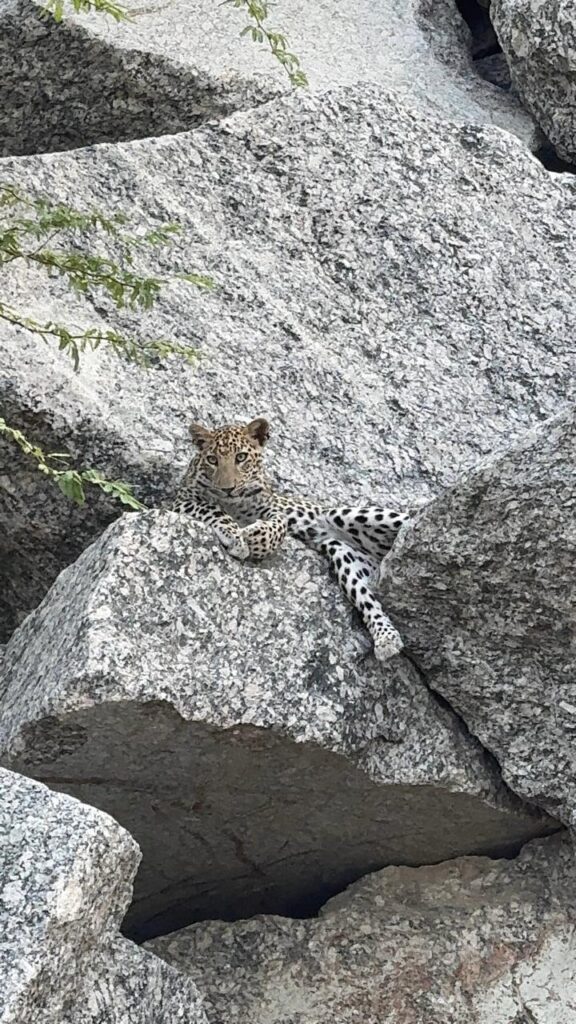
Why Visit Jawai During Monsoon?
The monsoon changes the personality of Jawai.
The normally rugged landscape can become greener, clouds gather around the granite hills and the air feels fresher after rainfall.
Another advantage is that the destination can feel more peaceful outside the peak winter season. Recent 2026 travel guides describe July–September as a lower-crowd period, while October–March is generally considered the classic safari season.
For photographers, this creates opportunities for a different style of Jawai photography.
Instead of only photographing a leopard against dry rocks, you may capture:
- Green granite hills
- Dark monsoon clouds
- Rain-washed landscapes
- Jawai Dam
- Birds around water
- Leopards among rocky formations
- Dramatic sunrise and sunset skies
Is Jawai Open During Monsoon?
Jawai is different from many traditional national-park destinations because its safari landscape is not simply a conventional enclosed forest tourism zone.
However, safari operations can vary according to weather, road conditions and local rules.
Heavy rain can affect routes and safari plans, so visitors should always confirm current safari availability and timings before travelling.
For planning your trip, check our updated Jawai Safari Timings guide.
Can You See Leopards During Monsoon?
Yes, leopard sightings can still be possible during the monsoon, but wildlife is unpredictable.
Rain changes animal movement, vegetation and visibility. Therefore, you should never book a safari based on a promise of a guaranteed leopard sighting.
A recent 2026 Jawai travel guide notes that monsoon can bring lower visitor numbers but also thicker vegetation and more variable visibility.
The best approach is to enjoy the entire wildlife experience rather than focusing only on finding a leopard.
Jawai Leopard Safari During Rainy Weather
A Jawai Leopard Safari during monsoon can feel very different from a winter safari.
The rocky landscape, changing weather and green surroundings create a completely different atmosphere.
If your main goal is leopard photography, keep your expectations flexible.
If your goal is experiencing nature, landscape photography and a quieter side of Jawai, monsoon can be particularly rewarding.
Read our detailed Leopard Safari in Jawai guide before booking.
What Other Wildlife Can You See?
Leopards are the star attraction, but Jawai has much more wildlife.
Depending on the location and conditions, you may encounter:
- Crocodiles
- Hyenas
- Nilgai
- Foxes
- Jackals
- Peafowl
- Eagles
- Kingfishers
- Other resident and migratory birds
The Jawai Dam and surrounding wetlands are particularly interesting for nature lovers.
If you’re interested in birdwatching, explore our Birds of Jawai | Bird Watching Jawai guide.
Monsoon Is Great for Landscape Photography
If you enjoy photography, don’t pack your camera only for wildlife.
The monsoon landscape itself can become the subject.
The combination of granite formations, green vegetation, dark clouds and changing sunlight can create spectacular photographs.
Try photographing:
Jawai hills + clouds + green landscape
rather than concentrating entirely on wildlife.
And if a leopard appears in the distance, consider it a bonus.
Things to Do in Jawai During Monsoon
Your trip doesn’t have to be limited to a safari.
Explore Jawai Dam
Jawai Dam is one of the region’s major attractions and offers beautiful views, particularly when the landscape is fresh after rainfall.
Go Birdwatching
Rain and water-filled surroundings can make the region interesting for bird enthusiasts.
Explore the Granite Hills
The granite landscape is one of the defining features of Jawai.
Experience Local Culture
Jawai is also home to the traditional Rabari community.
Understanding the local culture adds another dimension to your wildlife trip. Read our Rabari Culture in Jawai article to learn more.
Enjoy a Nature Stay
A peaceful stay surrounded by Jawai’s landscape can be as memorable as the safari itself.
What Should You Pack for a Monsoon Safari?
If you’re planning a Jawai Safari in monsoon, pack smart.
Carry:
- Lightweight rain jacket
- Waterproof bag
- Quick-dry clothes
- Comfortable footwear
- Camera protection
- Waterproof phone pouch
- Extra socks
- Small towel
- Sunglasses
- Power bank
- Insect repellent
For photography equipment, a rain cover for your camera or camera bag is highly recommended.
Should You Book Safari in Advance?
Yes, particularly if your travel dates are fixed.
Even though monsoon can be quieter than peak winter, safari availability can depend on local conditions.
Our Jawai Safari Booking Guide can help you plan your safari before arriving.
It is also a good idea to coordinate your safari with your accommodation check-in and check-out times.
How Many Days Are Enough for Jawai?
For a first visit, two nights and three days can provide a comfortable experience.
Day 1
Arrive in Jawai, check into your accommodation and enjoy an evening safari if operating conditions permit.
Day 2
Enjoy a morning safari, relax during the afternoon and explore Jawai Dam or nearby areas.
Take another safari or nature experience later in the day if available.
Day 3
Enjoy breakfast and, depending on your departure time and safari operations, take a final morning experience before leaving Jawai.
If you’re travelling from Udaipur, our Udaipur to Jawai Travel Guide can help you plan the journey.
Is Monsoon Better Than Winter for Jawai?
There is no single answer because it depends on what you want.
Choose Monsoon If You Want:
- Green landscapes
- Fewer crowds
- Dramatic skies
- Landscape photography
- A quieter experience
- A different view of Rajasthan
Choose Winter If You Want:
- Cooler weather
- Comfortable safari conditions
- Excellent birdwatching opportunities
- More predictable outdoor conditions
Recent 2026 guides generally identify October–March as the comfortable, popular season, while monsoon is favored by travelers looking for greener landscapes and fewer visitors.
Responsible Wildlife Tourism in Jawai
Whether you visit in monsoon or winter, responsible tourism should always come first.
Never ask your driver to chase a leopard.
Do not make loud noises to attract wildlife.
Never feed animals.
Avoid littering.
Follow local safari instructions.
And don’t use drones or other equipment where prohibited.
Jawai’s appeal comes from the fact that wildlife exists within a living landscape shared with local communities. Recent reporting in 2026 has also highlighted increased efforts to regulate tourism and protect the leopard landscape.
Book Your Jawai Safari
Planning your Jawai Safari in monsoon can give you a completely different perspective of Rajasthan.
From green granite hills and dramatic clouds to wildlife encounters and peaceful nature stays, the rainy season has its own character.
Before travelling, check current safari conditions, confirm your safari timing and choose accommodation that can assist with local arrangements.
For a complete planning resource, visit our Jawai Safari Booking Guide.
Frequently Asked Questions
Is Jawai good to visit during monsoon?
Yes. Monsoon can be a beautiful time to experience Jawai, particularly for travelers who enjoy green landscapes, dramatic skies, photography and quieter surroundings. Safari conditions can vary with weather.
Can I see leopards in Jawai during monsoon?
Leopard sightings can occur during monsoon, but they are never guaranteed. Weather, vegetation and natural animal movement can influence visibility.
Which months are monsoon in Jawai?
The main monsoon period is generally around July to September, although actual rainfall and conditions vary each year.
Is Jawai Safari available during heavy rain?
Safari availability can depend on weather, road conditions and local operating rules. Always confirm current conditions before travelling.
Is monsoon cheaper than winter in Jawai?
Some accommodation and safari providers may offer lower-season rates during monsoon, but prices vary. Check current rates for your travel dates.
What should I carry for a Jawai monsoon safari?
Carry rain protection, waterproof bags, quick-dry clothing, comfortable footwear and protection for your camera and phone.
Is winter better than monsoon for Jawai Safari?
Winter is generally more comfortable and popular, while monsoon offers greener scenery, dramatic weather and a quieter atmosphere. The better season depends on your travel priorities.