
Planning a Jawai Leopard Safari in 2026? Discover responsible safari tips, leopard conservation, Rabari culture, wildlife etiquette and how to enjoy Jawai responsibly.
Jawai Leopard Safari 2026: A New Era of Responsible Wildlife Tourism
Jawai has become one of Rajasthan’s most fascinating wildlife destinations. Known for its dramatic granite hills, free-ranging leopards, Jawai Dam and traditional Rabari culture, the region offers a wildlife experience unlike a typical national park safari.
But in 2026, there is another important story developing around Jawai: responsible wildlife tourism.
With growing visitor interest and increasing tourism activity, protecting the landscape and maintaining a healthy balance between wildlife, local communities and tourism has become more important than ever. Recent court-led measures have focused on regulating tourism activities in the Jawai landscape and reducing activities that can disturb wildlife.
For travelers, this means that a memorable Jawai Leopard Safari should not simply be about finding a leopard. It should be about experiencing the wilderness respectfully.
Why Is Jawai Famous for Leopards?
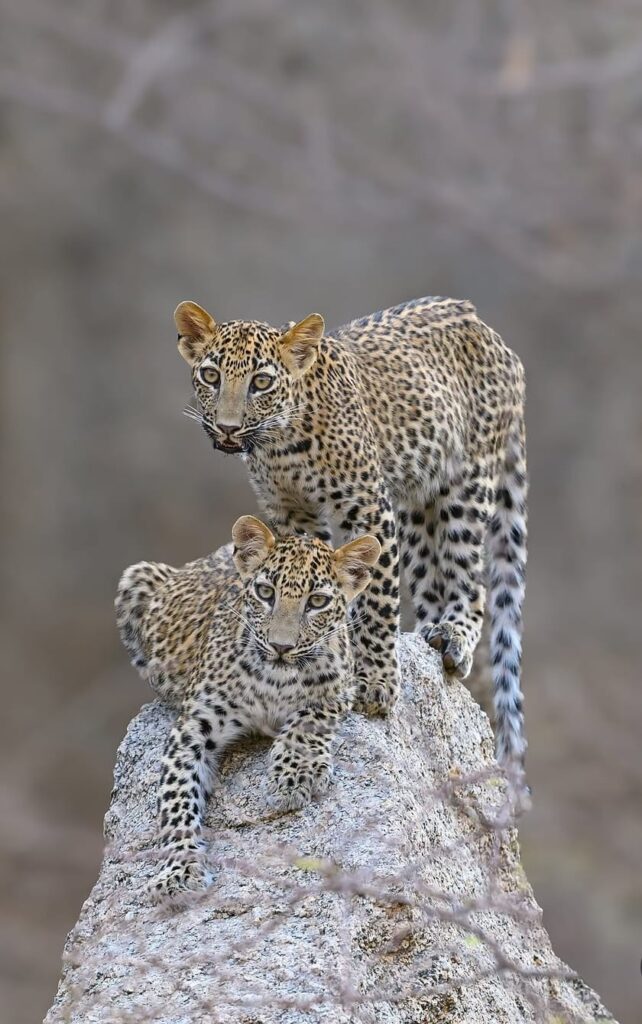
Jawai is famous for its rocky granite landscape, where leopards use caves, rocky shelters and hill formations as resting and hiding places.
Unlike dense forest destinations, the open terrain can sometimes provide remarkable views of leopards moving across the rocks.
This unique landscape is one of the main reasons travelers search for a Jawai Leopard Safari when planning a wildlife trip to Rajasthan.
If you’re visiting Jawai for the first time, our Complete Guide to Jawai Safari is a useful starting point for understanding the region, safari experience and things to do.
What Makes Jawai Different From Other Wildlife Destinations?
Jawai isn’t only about wildlife.
It is a shared landscape where people, livestock, villages and wild animals exist around the same rocky hills and water sources.
The combination of:
- Granite hills
- Leopards
- Jawai Dam
- Crocodiles
- Birds
- Rural villages
- Rabari culture
makes the region particularly distinctive.
The landscape is also known for its relationship between wildlife and local communities. Tourism-focused sources highlight Jawai’s combination of leopard habitat, wetlands and traditional Rabari culture.
Jawai Leopard Safari and Responsible Tourism
As Jawai becomes more popular, responsible safari practices are increasingly important.
A good wildlife experience should allow animals to behave naturally rather than creating unnecessary pressure for better photographs or closer sightings.
1. Never Chase a Leopard
If a leopard begins moving away, let it go.
Do not ask the driver to follow aggressively simply to obtain a closer photograph.
The goal of a safari should be observation—not interference.
2. Keep Noise to a Minimum
Loud conversations, music and sudden movements can disturb wildlife.
A quiet safari is often a better safari because you can hear alarm calls, birds and other sounds from the surrounding landscape.
3. Follow Current Safari Rules
Jawai’s tourism regulations are receiving greater attention in 2026.
Recent Rajasthan High Court directions have included restrictions on night safari activity and intrusive equipment such as drones in the protected landscape.
Therefore, always confirm the latest safari timings and operating rules before your trip.
You can also read our Jawai Safari Timings guide when planning your itinerary.
4. Never Feed Wildlife
Wild animals should never be fed during a safari.
Feeding can alter natural behaviour and create long-term problems for both animals and people.
5. Don’t Disturb Wildlife for Social Media
A leopard sitting quietly on a hill can make a beautiful photograph.
There is no need to create noise, use intrusive equipment or move too close simply for a reel or social media post.
The best wildlife content is created while allowing animals to remain wild.
The Importance of Local Trackers
Local trackers are an important part of the Jawai safari experience.
Their knowledge of rocky hills, animal movement and local conditions can help visitors understand the landscape rather than simply driving around looking for wildlife.
A good tracker doesn’t just look for a leopard.
They may also point out:
- Bird calls
- Animal tracks
- Crocodiles
- Hyenas
- Nilgai
- Interesting rock formations
- Local villages
This makes a Jawai Leopard Safari an educational experience as well as an exciting one.
Leopards Are Not the Only Attraction
One of the biggest mistakes first-time visitors make is thinking that Jawai is only about leopard sightings.
There is much more to discover.
Jawai Dam
Jawai Dam is an important part of the landscape and is particularly interesting for birdwatchers and nature photographers.
Birdwatching
The wetlands and surrounding habitats attract a variety of birds.
If you’re interested in bird photography, explore our Birds of Jawai | Bird Watching Jawai guide before your visit.
Crocodiles and Other Wildlife
Depending on the location and season, visitors may encounter crocodiles, hyenas, nilgai, foxes and numerous bird species.
Rabari Culture
Jawai’s wildlife story is closely connected to the people living around the landscape.
The Rabari community and its traditional pastoral lifestyle are an important part of the region’s identity.
Our Rabari Culture guide provides more information about this fascinating aspect of Jawai.
Things to Do After Your Leopard Safari
Your trip doesn’t need to end after seeing a leopard.
You can explore the surrounding landscape through birdwatching, Jawai Dam visits, photography and cultural experiences.
For more ideas, read our guide to Things to Do in Jawai Safari Apart From Leopard Safari.
This is particularly useful for travelers staying for two or three nights.
How Many Safaris Should You Book?
If the main purpose of your trip is to experience a Jawai Leopard Safari, consider booking more than one safari.
A morning and evening experience can provide different lighting, weather and wildlife activity.
However, no ethical operator can guarantee a leopard sighting.
Wildlife sightings depend on natural animal behaviour.
That’s part of what makes a genuine safari exciting.
Best Time for a Jawai Leopard Safari
Jawai can be experienced during different seasons.
Winter
The cooler months are comfortable for outdoor activities and wildlife exploration.
They can also be particularly attractive for birdwatching.
Summer
Hot weather can make afternoon conditions challenging, while early and late safari periods may offer more comfortable conditions.
Monsoon
Monsoon transforms the rocky landscape with fresh greenery and dramatic skies.
If you’re considering visiting during this season, read our Jawai Safari in Monsoon guide.
Always check current safari operations and weather conditions before travelling.
Why Responsible Tourism Matters for Jawai’s Future
Jawai is an excellent example of why wildlife conservation cannot always be separated from local communities.
The landscape is not simply a tourist attraction.
It is home to wildlife, villages, livestock and people whose lives are connected to the region.
Recent 2026 developments have brought increased attention to protecting wildlife corridors, regulating tourism activities and managing the growing pressure from tourism.
For visitors, responsible tourism can be simple:
- Respect wildlife
- Follow safari regulations
- Don’t chase animals
- Don’t use drones where prohibited
- Avoid loud noise
- Don’t litter
- Respect local communities
- Support responsible local tourism
- Follow your guide’s instructions
Small actions from thousands of travelers can make a significant difference.
How to Plan Your Jawai Leopard Safari
Before arriving, decide how many safari experiences you want and plan your accommodation around your itinerary.
Our Jawai Safari Booking Guide can help you understand the booking process.
You can also explore our Leopard Safari in Jawai guide for a more detailed look at the safari experience.
If you are travelling from another Rajasthan destination, our Udaipur to Jawai Travel Guide can also help with trip planning.
Final Thoughts
A Jawai Leopard Safari is much more than a search for a big cat.
It is an opportunity to experience Rajasthan’s rocky wilderness, observe wildlife in its natural environment, discover local culture and understand the relationship between people and nature.
As Jawai receives more attention in 2026, responsible tourism will become increasingly important.
Come for the leopard.
Stay for the landscape.
Learn about the people.
And most importantly, leave the wilderness wild.
Frequently Asked Questions
Is Jawai good for a leopard safari?
Yes. Jawai is well known for its free-ranging leopards and distinctive granite-hill landscape. Sightings are natural and cannot be guaranteed.
Are leopard sightings guaranteed in Jawai?
No. Leopards are wild animals and their movements are unpredictable. A responsible safari should never guarantee a sighting.
What is responsible wildlife tourism?
Responsible wildlife tourism means observing animals without disturbing them, following local regulations, respecting communities and minimizing environmental impact.
Can I use a drone during a Jawai Safari?
Current restrictions apply to drone use in the Jawai wildlife landscape. Recent 2026 court directions specifically addressed intrusive devices including drones. Always check the latest local rules before travelling.
How many safaris should I book in Jawai?
For travelers particularly interested in leopards, two or more safari experiences can provide different opportunities to explore the landscape. Sightings remain unpredictable.
What else can I see besides leopards?
Depending on the location and season, Jawai can offer opportunities to see crocodiles, hyenas, nilgai, foxes and a variety of birds.
Is Jawai suitable for a family wildlife trip?
Yes. Families can enjoy wildlife, birdwatching, scenic landscapes and cultural experiences while following appropriate safari safety instructions.