
Jawai leopard Conservation.Discover how leopards and local communities coexist in Jawai, Rajasthan, and learn about the landscape, conservation challenges and future of Jawai wildlife.
Jawai Leopard Conservation: A Unique Story of Wildlife and People
Jawai, in Rajasthan, has become widely known for its remarkable leopard population and dramatic granite landscape. But behind the photographs and wildlife experiences is a much larger story — Jawai leopard conservation and the unusual relationship between people and wildlife.
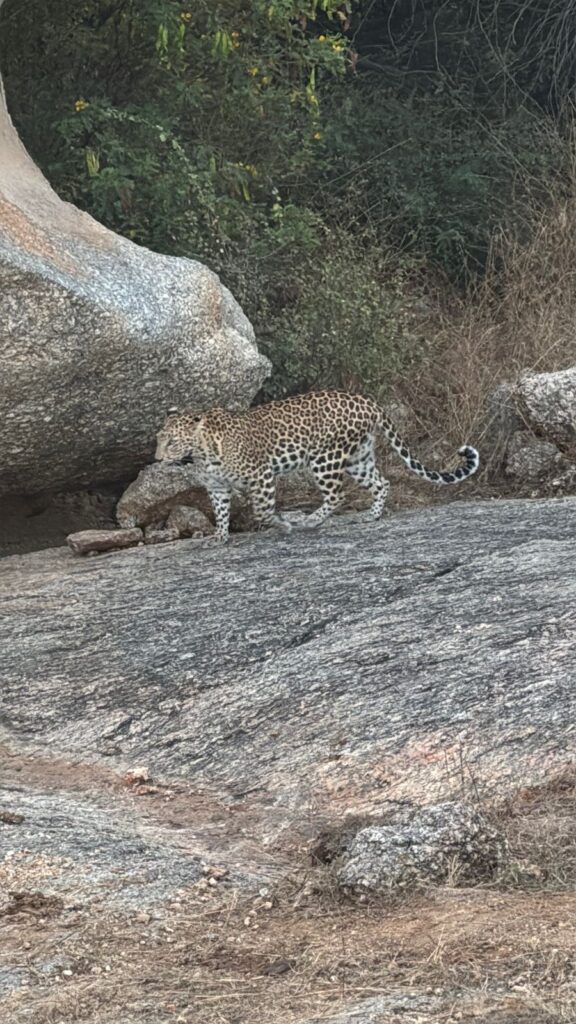
The landscape around Jawai is different from the dense forests many people associate with leopards.
Here, large granite hills rise above open countryside, villages and grazing areas. Leopards use rocky caves and crevices as shelter, while local communities continue their traditional activities across the same broader landscape.
This creates one of India’s most fascinating examples of human-leopard coexistence.
Understanding this relationship is important for anyone visiting Jawai.
Why Jawai Is Important for Leopards
The granite formations around Jawai provide natural shelter for leopards.
Rocky caves, ledges and crevices offer places where animals can rest during the day and remain protected from the surrounding environment.
The open terrain also makes the landscape visually distinctive.
Unlike a dense forest where a leopard may disappear completely into vegetation, a leopard resting on a granite hill can sometimes be spotted from considerable distances.
However, visibility should not be confused with predictability.
Leopards remain wild animals, and their movements can change from one day to another.
What Makes Jawai’s Leopards Different?
The most fascinating aspect of Jawai is not simply the number of leopards.
It is their ability to live within a landscape where human activity is also present.
Research and wildlife accounts have documented Jawai as an important example of human-wildlife coexistence, particularly involving the region’s pastoral communities.
The relationship has developed over generations rather than being created specifically for tourism.
That distinction is important.
Conservation isn’t simply about protecting an animal.
It is also about understanding the people and landscape surrounding it.
The Role of the Granite Hills
The granite hills are central to the Jawai ecosystem.
They provide:
- Natural caves
- Resting areas
- Elevated viewpoints
- Protection from extreme weather
- Suitable denning environments
- Distinctive habitat for wildlife
These formations are also part of what makes Jawai visually different from many other wildlife destinations in Rajasthan.
For photographers and nature lovers, the rocks create dramatic backgrounds.
For leopards, they are much more than scenery.
They are habitat.
Water and the Jawai Landscape
Water is another important part of the ecosystem.
The Jawai Dam and surrounding water bodies support a variety of wildlife and birdlife. Rajasthan Tourism highlights the area’s importance for migratory birds and wildlife, including crocodiles.
Water availability influences the wider landscape.
It supports vegetation, birds and other animals, which in turn contribute to the food web.
This means that protecting Jawai’s wildlife cannot focus only on the rocky hills.
The wider ecosystem matters too.
The Rabari Community and Jawai
One of the most important parts of the conservation story is the local Rabari community.
The Rabaris have traditionally followed pastoral lifestyles, moving livestock through the countryside.
Their relationship with the landscape is deeply connected to grazing, water and livestock.
This creates an interesting situation.
People and leopards occupy overlapping areas, yet the relationship has historically been different from the intense conflict seen in some other human-wildlife landscapes.
Understanding this cultural relationship is essential when discussing Jawai leopard conservation.
You can learn more about the region’s cultural heritage in our Rabari Culture guide.
Why Human-Leopard Coexistence Matters
Conservation is often presented as a simple equation:
Wildlife + protected forest = conservation
But Jawai demonstrates that conservation can sometimes be much more complicated.
Wildlife exists outside a traditional national-park model.
People continue farming, grazing livestock and living in villages.
Leopards move through the wider landscape.
This means conservation requires consideration of:
- Wildlife habitat
- Local livelihoods
- Tourism
- Livestock
- Roads and development
- Water resources
- Visitor behaviour
- Community attitudes
The future of Jawai’s leopards depends on maintaining a sustainable balance between these factors.
Livestock and the Leopard Relationship
Livestock is an important part of the Jawai landscape.
For pastoral communities, livestock represents livelihood and tradition.
For leopards, domestic animals can sometimes become part of the available prey landscape.
This creates a potential point of conflict.
Managing that relationship responsibly is important for long-term conservation.
The goal should not simply be to protect leopards at any cost or eliminate all wildlife interaction.
Instead, conservation efforts need to reduce conflict while protecting both wildlife and community livelihoods.
Tourism and Jawai’s Conservation Future
Tourism has brought significant attention to Jawai.
Visitors come to see leopards, explore the granite landscape, observe birds and experience rural Rajasthan.
Responsible tourism can potentially create economic incentives for protecting wildlife.
When local communities benefit from nature-based tourism, wildlife can become an asset worth protecting.
However, uncontrolled tourism can create problems.
Too many vehicles, excessive noise, inappropriate behaviour and attempts to get dangerously close to animals can disturb wildlife.
This is why responsible tourism is increasingly important as Jawai becomes more popular.
Responsible Wildlife Tourism
Visitors have an important role to play.
During a wildlife experience, avoid:
- Shouting at animals
- Playing loud music
- Chasing wildlife
- Blocking animal movements
- Feeding animals
- Throwing objects
- Leaving plastic or other waste
- Entering restricted areas
- Encouraging unnatural animal behaviour for photographs
A responsible visitor should leave the landscape with as little impact as possible.
The best wildlife experience is one where the animal behaves naturally.
Why Leopard Sightings Should Never Be Guaranteed
One consequence of wildlife tourism is the expectation that visitors must see a leopard.
That expectation can create pressure on guides and drivers.
But a leopard is not a scheduled attraction.
It is a wild animal.
It may be sleeping inside a cave, moving across another hill or simply out of sight.
Responsible tourism should therefore focus on the experience of observing nature rather than guaranteeing a particular animal.
This approach is better for both visitors and wildlife.
Photography and Conservation
Wildlife photography can play a positive role in conservation by helping people appreciate animals and landscapes.
A powerful image can inspire someone to learn more about wildlife.
But photography can also become problematic when getting the “perfect shot” becomes more important than the animal’s welfare.
Photographers visiting Jawai should:
- Maintain a respectful distance
- Avoid loud noises
- Never ask drivers to chase wildlife
- Avoid using flash where it could disturb animals
- Never bait or feed wildlife
- Respect local communities
A photograph should document nature rather than manipulate it.
Jawai’s Birds Are Part of the Conservation Story
Leopard conservation cannot be considered separately from the rest of the ecosystem.
Birds, reptiles, mammals, insects and vegetation all form part of the wider environment.
The Jawai Dam landscape is particularly interesting for birdwatchers.
Rajasthan Tourism notes the presence of migratory birds and other wildlife around the dam.
Visitors can therefore experience much more than leopards.
Our Birds of Jawai | Bird Watching Jawai guide explores the region’s birdlife in greater detail.
The Importance of Habitat Protection
A healthy leopard population requires more than individual animals.
It needs suitable habitat.
That includes:
- Rocky shelters
- Water
- Prey
- Movement corridors
- Vegetation
- Suitable denning areas
- Low levels of disturbance
As development and tourism increase, protecting these elements becomes increasingly important.
Conservation planning therefore needs to look at the entire landscape rather than isolated hills.
Can Tourism Help Conservation?
Yes, when managed responsibly.
Tourism can provide income to local businesses, guides, drivers, accommodation providers and other community members.
It can also increase awareness of Jawai’s wildlife.
A visitor who comes to see a leopard may leave with an understanding of the importance of protecting its habitat.
That can create a positive cycle:
Wildlife → Tourism → Local income → Conservation awareness → Greater protection
But this only works when tourism remains responsible and sustainable.
The Future of Jawai Leopard Conservation
Jawai’s future will depend on maintaining the delicate balance between wildlife, communities and tourism.
The region’s popularity is unlikely to disappear.
More visitors are discovering Jawai every year.
That creates opportunities but also responsibilities.
Future conservation efforts will need to consider:
Habitat protection
Maintaining important rocky and natural areas.
Community participation
Ensuring local people remain important stakeholders.
Responsible tourism
Keeping wildlife experiences sustainable.
Visitor education
Teaching tourists how to behave around wildlife.
Scientific monitoring
Understanding how leopard populations and habitats change over time.
What Visitors Can Do
You don’t have to be a conservation scientist to contribute.
Simple actions matter.
Choose responsible tourism operators.
Respect local communities.
Follow wildlife guidelines.
Don’t litter.
Don’t encourage drivers to chase animals.
Don’t demand a guaranteed sighting.
Don’t share sensitive wildlife-location information irresponsibly.
And most importantly, understand that you are visiting an ecosystem that existed long before tourism.
Where to Stay While Exploring Jawai
Accommodation is another part of responsible tourism.
Choosing locally connected accommodation can help support the regional tourism economy.
Before booking, consider whether your property provides responsible wildlife experiences and follows appropriate local practices.
Our Jawai Hotel | Hotels in Jawai guide provides more information about accommodation options.
Jawai Horizon Camp is another option for visitors looking for a nature-focused stay. Check its current facilities, availability and wildlife arrangements directly before booking.
Explore Jawai Beyond the Leopard
A conservation-focused visit can be more meaningful when you experience different aspects of the region.
You can combine wildlife experiences with:
- Birdwatching
- Landscape photography
- Jawai Dam
- Local culture
- Rural experiences
- Nature walks where permitted
- Traditional food
- Relaxation at your accommodation
Our Things to Do in Jawai Apart From Leopard Safari guide offers more ideas.
Why Jawai Matters Beyond Rajasthan
The story of Jawai is interesting because it challenges the idea that wildlife conservation always requires complete separation between people and animals.
The region demonstrates how traditional communities and wildlife can occupy the same broader landscape.
That doesn’t mean coexistence is effortless.
It requires understanding, responsible behaviour and continued attention to potential conflicts.
But the possibility itself makes Jawai important.
Final Thoughts
Jawai leopard conservation is ultimately a story about balance.
It is about granite hills providing shelter.
It is about water supporting wildlife.
It is about birds and other animals forming part of the ecosystem.
It is about pastoral communities maintaining their traditional connection with the landscape.
And it is about leopards continuing to occupy the rocky hills of Jawai.
For visitors, the responsibility is simple:
Come with curiosity.
Observe respectfully.
Don’t disturb wildlife.
Support responsible local tourism.
And remember that the leopard is not an attraction created for visitors.
It is a wild animal living in its own home.
If Jawai can continue balancing wildlife, communities and tourism, its leopard landscape could remain one of Rajasthan’s most remarkable natural stories for generations to come.
Frequently Asked Questions
Why is Jawai important for leopard conservation?
Jawai provides a distinctive rocky habitat where leopards live alongside rural communities. Its granite hills, open landscape and surrounding ecosystem create suitable conditions for wildlife.
How do humans and leopards coexist in Jawai?
Local communities, particularly pastoral communities, have traditionally lived and worked around the same landscape occupied by leopards. This long-standing relationship is an important part of Jawai’s conservation story.
Are Jawai leopards protected?
Leopards are protected under India’s wildlife protection framework. Visitors should follow current wildlife regulations and local guidance when visiting the region.
Does tourism help leopard conservation in Jawai?
Responsible tourism can support local livelihoods and increase awareness of wildlife conservation. However, tourism needs to be managed carefully to minimize disturbance.
Can visitors help protect Jawai’s leopards?
Yes. Visitors can support responsible operators, follow wildlife guidelines, avoid disturbing animals, respect local communities and avoid littering.
Is leopard sighting guaranteed in Jawai?
No. Leopards are wild animals and sightings cannot be guaranteed. Responsible wildlife tourism should never involve chasing or disturbing animals.
What other wildlife can be seen in Jawai?
Jawai supports a variety of wildlife, including birds, crocodiles and several mammal species. The exact animals seen depend on location, season and natural conditions.
Related Jawai Guides
Complete Guide to Jawai Safari
Birds of Jawai | Bird Watching Jawai
Jawai Hotel | Hotels in Jawai
Things to Do in Jawai Apart From Leopard Safari
Authoritative External Resources
[…] you’re interested in understanding the area’s leopard population and habitat, read our Jawai Leopard Conservation […]
[…] Jawai Leopard Conservation […]
[…] For more information about the area’s wildlife, see our Jawai Leopard Conservation guide. […]