
Planning Jawai monsoon travel? Discover the rainy-season landscape, weather, wildlife, photography opportunities, things to do and practical travel tips for Jawai, Rajasthan.
Jawai Monsoon Travel: Discover a Greener Side of Rajasthan
When people think about Rajasthan, they often imagine golden landscapes, desert roads and bright sunshine. But the monsoon reveals another side of the state, and Jawai monsoon travel can be a surprisingly refreshing experience.
Jawai is known for its granite hills, open countryside, wildlife and rural landscapes. During the rainy season, these familiar surroundings can change dramatically. Fresh vegetation appears around the rocks, water collects in natural pools and the skies become filled with dramatic clouds.
For travelers who enjoy nature, photography and peaceful escapes, the rainy season offers an opportunity to experience Jawai from a different perspective.
Instead of rushing from one attraction to another, monsoon travel encourages you to slow down, watch the changing landscape and appreciate the relationship between the rocky hills, water, wildlife and local communities.
Why Consider Jawai During the Rainy Season?
The biggest attraction of Jawai monsoon travel is the transformation of the landscape.
Rain brings temporary greenery to the countryside. The contrast between dark granite rocks and fresh vegetation creates a distinctive visual experience.
The atmosphere can also be quieter than during busy holiday periods.
You may experience:
- Green countryside
- Dramatic monsoon clouds
- Fresh vegetation
- Water-filled landscapes
- Cooler periods after rainfall
- Beautiful sunrise and sunset scenes
- Excellent landscape photography opportunities
- A peaceful rural atmosphere
Jawai isn’t simply a wildlife destination. Its landscape itself is worth experiencing.
How the Landscape Changes After Rain
Jawai’s granite hills are present throughout the year, but rainfall changes how they look.
During dry periods, rocks stand prominently against earthy and brown surroundings.
After rainfall, green vegetation begins appearing around the hills and open areas.
Small pools and water channels can also form depending on the intensity of rainfall.
When sunlight breaks through clouds, the landscape can change within minutes.
This makes the rainy season particularly interesting for photographers.
Jawai Weather During Monsoon
Weather during the rainy season can be unpredictable.
You may experience cloudy mornings, short showers, periods of sunshine and sudden rainfall on the same day.
Temperatures can also feel more comfortable after rain compared with the hotter months.
However, visitors should not assume that every day will be continuously rainy.
Monsoon weather can vary considerably from one day to another.
Before traveling, check the latest weather forecast and road conditions.
Is Jawai Good for a Monsoon Holiday?
For travelers who enjoy nature and landscapes, yes.
A Jawai monsoon travel itinerary can be particularly enjoyable if you don’t expect every hour to be packed with activities.
This is a destination where sitting at your accommodation and watching the clouds move across the hills can become part of the holiday.
You can combine wildlife experiences with:
- Birdwatching
- Landscape photography
- Local culture
- Jawai Dam
- Rural exploration
- Relaxing at your accommodation
You can also read our Things to Do in Jawai Apart From Leopard Safari guide for additional ideas.
Wildlife During the Rainy Season
Rain affects every part of the ecosystem.
Vegetation becomes more active, water becomes more widely available and animals respond to changing environmental conditions.
Wildlife sightings can therefore be different from one visit to another.
The important thing to remember is that wildlife is unpredictable.
No responsible operator should promise a particular animal sighting.
Instead, treat every encounter as a bonus and enjoy the wider natural environment.
Leopards and the Monsoon Landscape
Leopards are one of Jawai’s best-known inhabitants.
The region’s granite hills provide rocky shelters and distinctive habitat.
During a wildlife experience, you may spend time scanning rocky slopes and caves looking for movement.
But a leopard sighting should never be considered guaranteed.
Animals are free to move wherever they choose.
If you’re interested in understanding the area’s leopard population and habitat, read our Jawai Leopard Conservation article.
Birdwatching During Jawai Monsoon Travel
Birdwatching is another reason to explore the region.
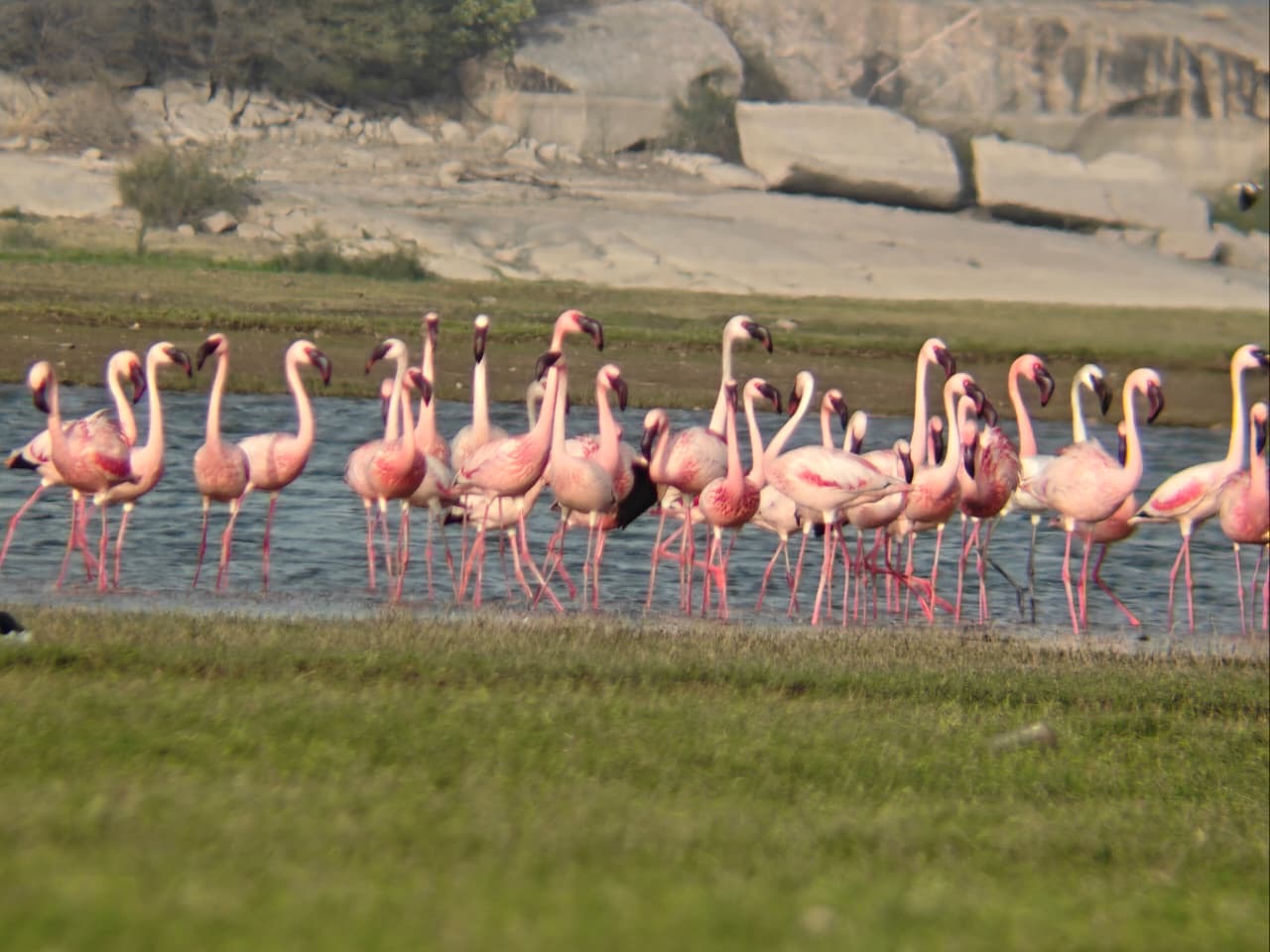
The combination of water bodies, open land and vegetation provides habitat for many bird species.
Jawai Dam is particularly significant within the wider landscape.
Rajasthan Tourism highlights the Jawai region for its wildlife and birdlife, including migratory birds.
Official Rajasthan Tourism
If you’re carrying binoculars, keep them with you rather than limiting birdwatching to a specific activity.
Birds can appear around water, vegetation, rocky hills and rural areas.
For a detailed guide, visit Birds of Jawai | Bird Watching Jawai.
Visit Jawai Dam
Jawai Dam is one of the most recognizable features of the region.
The reservoir and surrounding landscape provide an important environment for birds and other wildlife.
During the rainy season, the wider landscape can look particularly attractive because of fresh greenery and changing water levels.
However, conditions around water bodies can change during heavy rainfall.
Always follow local instructions and avoid entering unsafe areas.
Monsoon Photography in Jawai
If you enjoy photography, this may be one of the best reasons to consider Jawai monsoon travel.
The rainy season creates opportunities for photographs that are difficult to reproduce during dry months.
Photograph the Granite Hills
Look for compositions where green vegetation contrasts with the dark rocks.
Photograph the Clouds
Monsoon clouds can create dramatic backgrounds.
Look for Reflections
After rainfall, temporary pools can provide natural reflections.
Photograph Rural Life
The countryside becomes particularly atmospheric during the rainy season.
Capture Changing Light
Don’t pack away your camera simply because clouds appear.
Sunlight breaking through clouds can create beautiful moments.
Best Time of Day for Monsoon Photography
Early morning and late afternoon are usually excellent periods for photography.
Morning light can be soft and atmospheric.
Evening light can combine with clouds to produce dramatic scenes.
However, weather is unpredictable, so remain flexible.
Some of the best photographs may happen immediately after a shower.
Things to Do During a Jawai Monsoon Trip
1. Explore the Granite Landscape
Spend time exploring the area’s distinctive rocky formations with a responsible local guide where appropriate.
2. Enjoy Birdwatching
Carry binoculars and spend time near suitable birdwatching locations.
3. Visit Jawai Dam
Enjoy the scenery and observe the surrounding wildlife from safe locations.
4. Experience Local Culture
Learn about the traditional communities and lifestyles that form an important part of Jawai.
Our Rabari Culture guide explains more about the region’s cultural heritage.
5. Enjoy the Monsoon Weather
Sometimes the best activity is simply sitting somewhere comfortable and watching the rain move across the hills.
6. Enjoy a Wildlife Experience
If wildlife activities are operating safely and according to local conditions, you can include them in your itinerary.
What to Pack for Jawai in the Rainy Season
Good preparation can make a big difference.
Pack:
- Lightweight clothes
- Quick-drying trousers
- Rain jacket
- Waterproof shoes
- Extra socks
- Small umbrella
- Waterproof camera cover
- Dry bags
- Power bank
- Mosquito repellent
- Sunscreen
- Sunglasses
- Small towel
- Plastic-free waterproof storage for electronics
Keep your camera and phone protected even when the weather appears clear.
Choosing Your Accommodation
Accommodation is particularly important during monsoon because you may spend more time indoors between activities.
Look for a property with:
- Comfortable rooms
- Covered sitting areas
- Good dining facilities
- Reliable transport
- Easy road access
- Parking
- Nature views
- Flexible activity arrangements
You can explore our Jawai Hotel and Hotels in Jawai guide before choosing your stay.
For travelers looking for a nature-focused camp experience, Jawai Horizon Camp is another option to consider. Confirm current facilities, road accessibility, accommodation availability and activity arrangements directly before booking.
Road Travel During Monsoon
If you’re driving to Jawai during the rainy season, allow extra time.
Rain can slow traffic and change road conditions.
Before starting your journey:
- Check the weather forecast
- Check road conditions
- Keep your fuel tank adequately filled
- Save your accommodation’s contact number
- Keep drinking water available
- Carry a rain jacket
- Avoid unnecessary driving during severe weather
If you’re coming from Ahmedabad, you can also read our Ahmedabad to Jawai Travel Guide.
A Simple 2-Night Monsoon Itinerary
Day 1: Arrival
Travel to Jawai.
Check into your accommodation.
Relax after your journey.
Explore the nearby landscape if weather permits.
Enjoy an evening nature or wildlife experience if operating conditions allow.
Day 2: Explore Jawai
Start the morning with a wildlife or nature experience.
Return for breakfast.
Spend time around Jawai Dam or enjoy birdwatching.
Have lunch and relax.
Take photographs of the landscape during the afternoon.
Enjoy the evening atmosphere around your accommodation.
Day 3: Departure
Have breakfast.
Enjoy one final view of the hills.
Begin your journey home.
Don’t make the itinerary too tight.
Monsoon travel is best with some flexibility.
Combining Jawai With Other Rajasthan Destinations
If you have more than a weekend, you can combine Jawai with other destinations.
Possible combinations include:
Ahmedabad → Jawai → Udaipur
Ahmedabad → Mount Abu → Jawai
Udaipur → Jawai → Jodhpur
The best route depends on your overall itinerary.
If Jawai is your primary destination, avoid adding too many stops.
Two or three relaxed days can be more enjoyable than five destinations in a rushed schedule.
Responsible Travel During Monsoon
Rain can make natural areas more sensitive.
Visitors should avoid damaging vegetation or driving outside permitted areas.
Never leave plastic bottles, food packaging or other waste behind.
Don’t disturb wildlife.
Don’t enter restricted areas.
Don’t attempt to approach animals for photographs.
And always follow instructions from local guides and authorities.
Responsible tourism protects the destination for future travelers.
Why Jawai Monsoon Travel Is Worth Considering
Jawai’s biggest attraction during the rainy season isn’t a single activity.
It is the atmosphere.
The granite hills.
The green countryside.
The changing sky.
The sound of rain.
The water.
The birds.
The possibility of seeing wildlife.
And the slower pace of rural Rajasthan.
For travelers who want something different from the usual Rajasthan itinerary, the rainy season can offer an unexpectedly beautiful experience.
Final Thoughts
Jawai monsoon travel offers an opportunity to experience Rajasthan from a different perspective.
The famous granite hills remain, but the landscape around them changes with the rain.
Green vegetation appears.
Water returns to the countryside.
Clouds create dramatic skies.
Birdlife becomes part of the experience.
And the entire region can feel fresh and peaceful.
Whether you’re a photographer, nature lover, wildlife enthusiast or simply someone looking for a quiet escape, Jawai during the rainy season deserves consideration.
Come prepared for changing weather, keep your itinerary flexible and allow yourself enough time to enjoy the landscape.
You may discover that one of Rajasthan’s most memorable experiences isn’t found in the desert at all — but among the green granite hills of Jawai.
Frequently Asked Questions
Is Jawai a good monsoon destination?
Yes. Jawai can be an attractive monsoon destination for travelers who enjoy greenery, dramatic landscapes, photography, wildlife and peaceful nature experiences.
What is the weather like in Jawai during the rainy season?
Weather can vary from cloudy and humid conditions to sunshine and sudden rain showers. Always check the latest forecast before traveling.
Can I see wildlife during the monsoon?
Wildlife remains present throughout the year, but sightings are unpredictable. Weather and natural conditions can influence animal movement.
Is Jawai Dam worth visiting during the monsoon?
Yes, when conditions are safe. The reservoir and surrounding countryside can look particularly attractive after rainfall and provide opportunities for birdwatching.
What should I carry for a monsoon trip to Jawai?
Carry rain protection, quick-drying clothes, waterproof footwear, protection for electronics, mosquito repellent and suitable outdoor clothing.
Is monsoon good for photography in Jawai?
Yes. Green vegetation, wet rocks, clouds, reflections and changing light can create excellent landscape photography opportunities.
How many days are enough for a Jawai monsoon trip?
A two-night stay works well for a short trip. Three nights provide more flexibility for wildlife, nature and cultural experiences.
Can I travel to Jawai by road during monsoon?
Yes, but allow additional travel time and check current weather and road conditions before starting your journey.
Related Articles
Ahmedabad to Jawai Travel Guide
Udaipur to Jawai Travel Guide
Useful External Resources